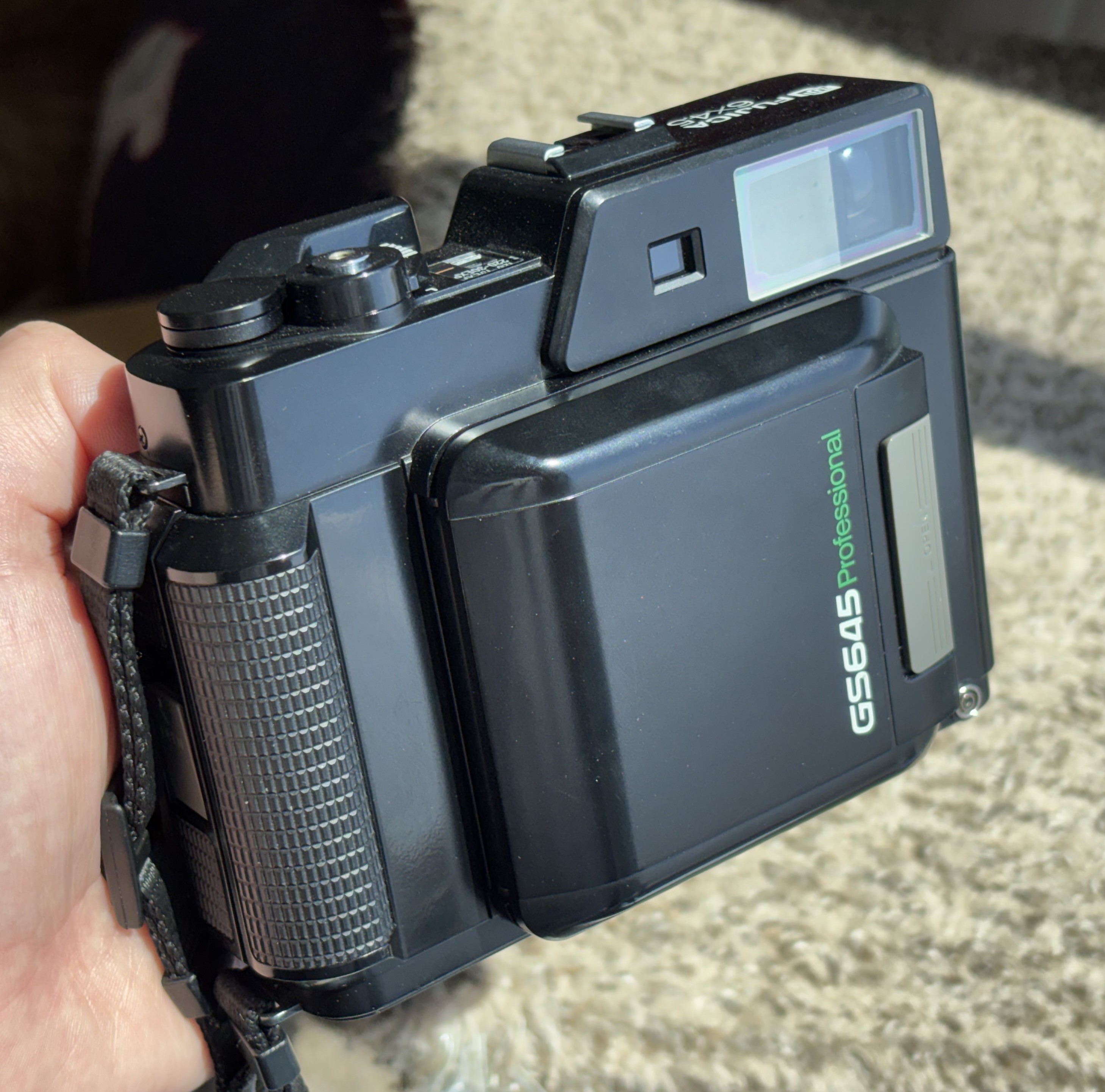
<?xml version="1.0" encoding="utf-8"?><feed xmlns="http://www.w3.org/2005/Atom" ><generator uri="https://jekyllrb.com/" version="3.10.0">Jekyll</generator><link href="https://ericpacheco.net/feed.xml" rel="self" type="application/atom+xml" /><link href="https://ericpacheco.net/" rel="alternate" type="text/html" /><updated>2026-08-30T19:49:01-04:00</updated><id>https://ericpacheco.net/feed.xml</id><title type="html">Eric Pacheco</title><subtitle>About</subtitle><author><name>tajacks</name></author><entry><title type="html">Fujica GS645 Professional</title><link href="https://ericpacheco.net/photography/2026/08/29/GS645.html" rel="alternate" type="text/html" title="Fujica GS645 Professional" /><published>2026-08-29T00:00:00-04:00</published><updated>2026-08-29T00:00:00-04:00</updated><id>https://ericpacheco.net/photography/2026/08/29/GS645</id><content type="html" xml:base="https://ericpacheco.net/photography/2026/08/29/GS645.html"><![CDATA[<p> After using my 35mm SLR’s for a good while, I had two types of cameras that I still really wanted to try using. First, a rangefinder camera: the alternative to the SLR focusing system. Second, a medium format camera, utilizing larger 120 film. I decided to hit two birds with one stone and got the Fujica GS645 Professional: a 645 medium format rangefinder.</p>

<figure>
  <img src="/assets/images/GS645_1.jpeg" alt="Description of the photo" />
  <figcaption>Fujica GS645 Professional</figcaption>
</figure>

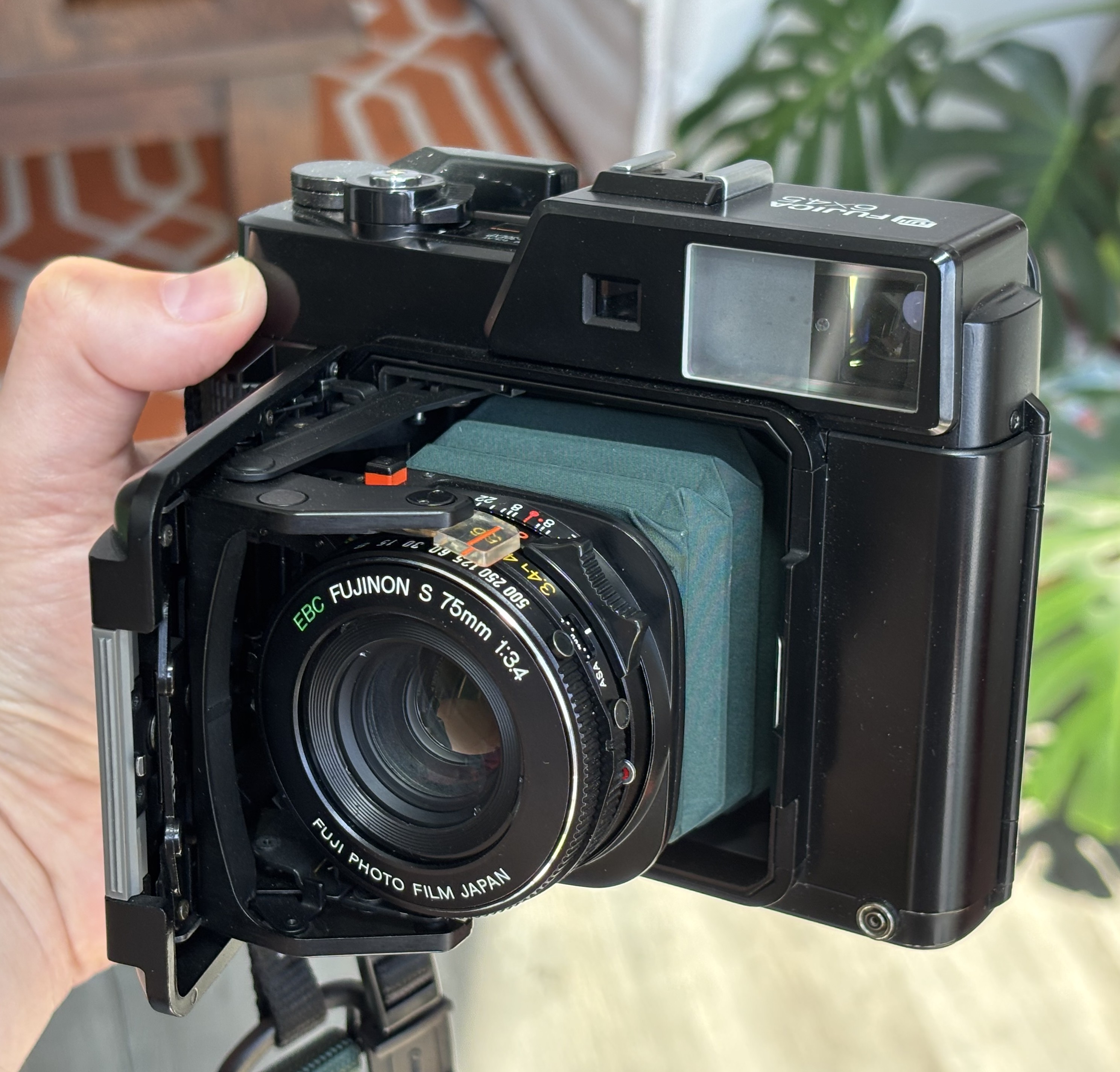
<p> The first thing you’ll notice immediately is that there’s no lens in the picture. That is because this camera is also a folding camera, making this camera one of the smallest medium format cameras ever made.</p>

<figure>
  <img src="/assets/images/GS645_2.jpeg" alt="Description of the photo" />
  <figcaption>Fujica GS645 Professional | EBC Fujinon S 75mm f3.4 </figcaption>
</figure>

<p> It utilizes an intricate folding mechanism to store its EBC Fujinon S 75mm f3.4. While this may seem like a bit of a lame lens, keep in mind that in the larger 645 format, This focal length and aperture produces images equivalent to around 47mm f1.8 on a 35mm format camera. A very interesting fact is that the lens is mounted in a leaf shutter, meaning a few things. The shutter is next to aperture rather than the film plane, allowing exposure of the entire film plane at one moment during all shutter speeds. Therefore, flash sync speed is the same as the max shutter speed, outclassing any other film slr ever made. The downside is that you have a slow shutter at a measly maximum 1/500th of a second. Additionally, as this leaf shutter lens is on a folding coupled rangefinder camera, it incorporates a folding trigger, cocking mechanism, light meter wire, and focus distance indexing mechanism.</p>

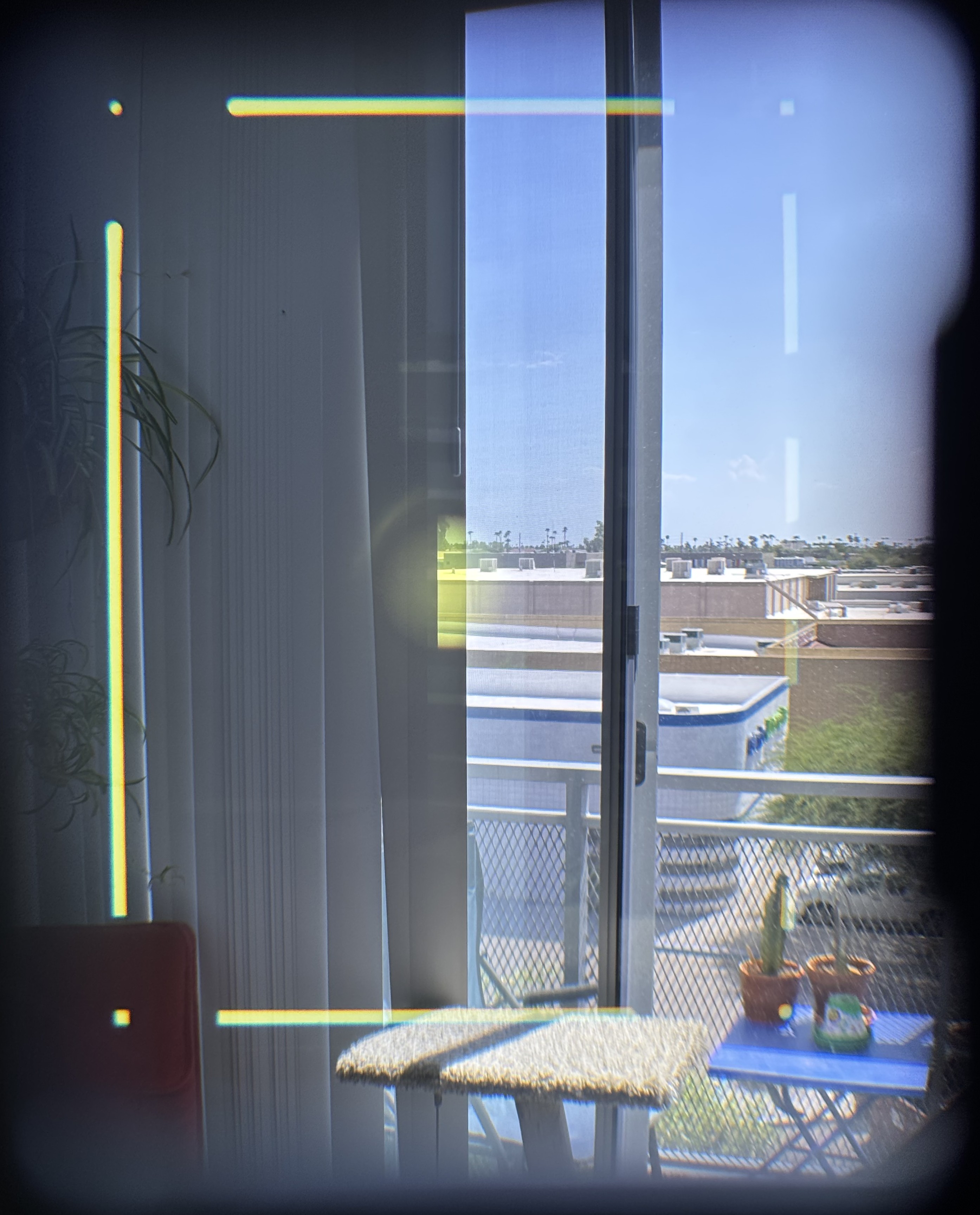
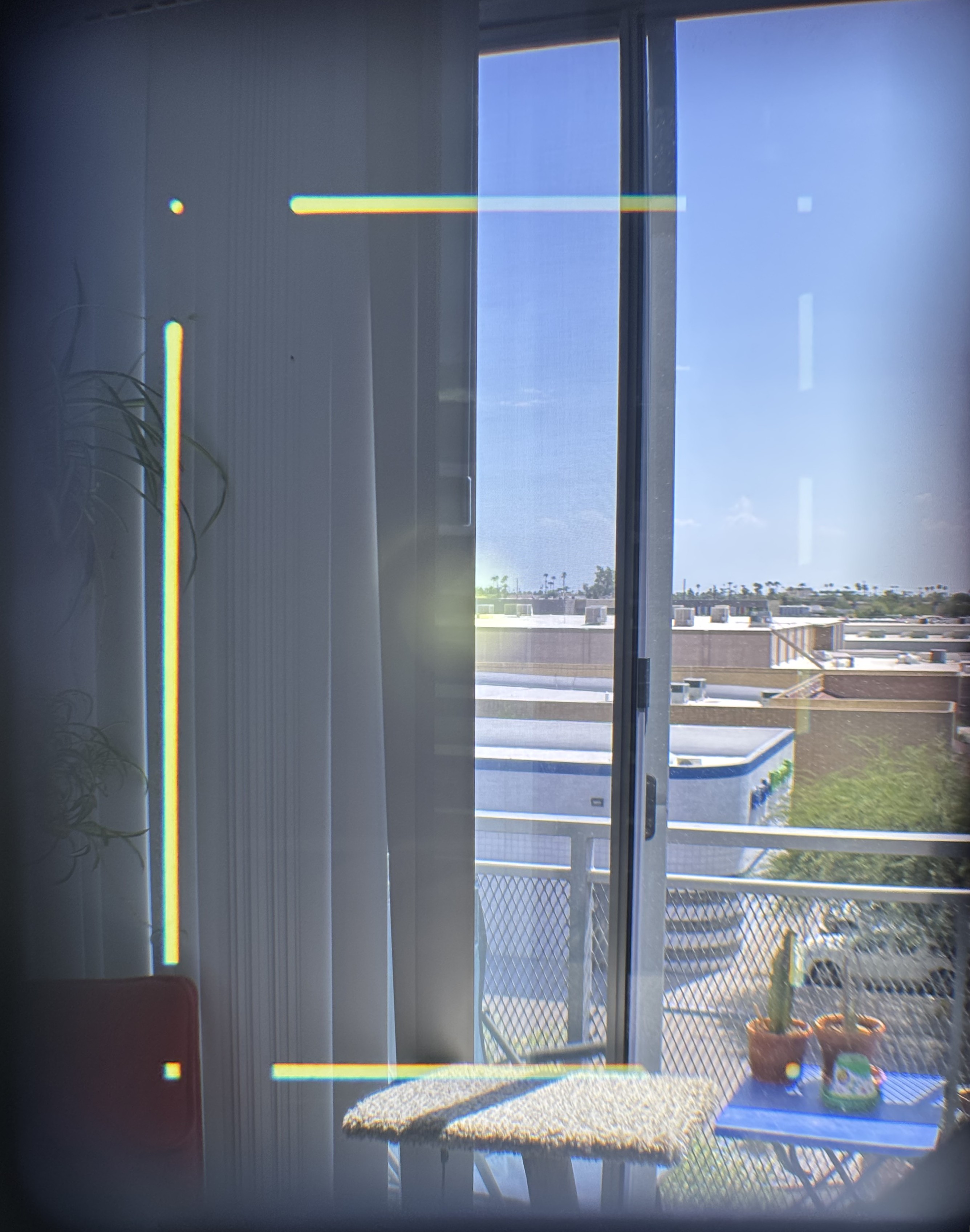
<p> As mentioned, the rangefinder system adds an extra layer of mechanical complication. In a typical SLR, the viewfinder looks directly through the taking lens, allowing for simple focusing and composing using the same image that will be displayed on the film. In a rangefinder, there are two separate lenses at the top of the camera that allow for range indexing and composing. One lens features a viewfinder with parallax-correcting framelines allowing for highly accurate framing despite the offset viewfinder. The other lens is offset, featuring a rotating mirror coupled with the lens focusing mechanism. This allows for determination of the correct focusing distance via triangulation. This rotating mirror redirects the light into a beam splitter, allowing for a double image in the lens of the viewfinder. Lining up the double image means that the subject is in focus. An example of an out of focus then in focus image are shown below. Note the parallax correction, with the second image having smaller framelines.</p>

<figure>
  <img src="/assets/images/GS645_3.jpeg" alt="Description of the photo" />
  <figcaption>Fujica GS645 Professional | Out of focus</figcaption>
</figure>

<figure>
  <img src="/assets/images/GS645_4.jpeg" alt="Description of the photo" />
  <figcaption>Fujica GS645 Professional | In focus</figcaption>
</figure>

<p> A couple more notes of interest. First, the camera shoots in portrait orientation. This makes the camera great for portrait photography and perfect for taking photos to post on instagram. Second, this camera features a light meter, allowing you to meter using an smooth, unclicked aperture ring.</p>

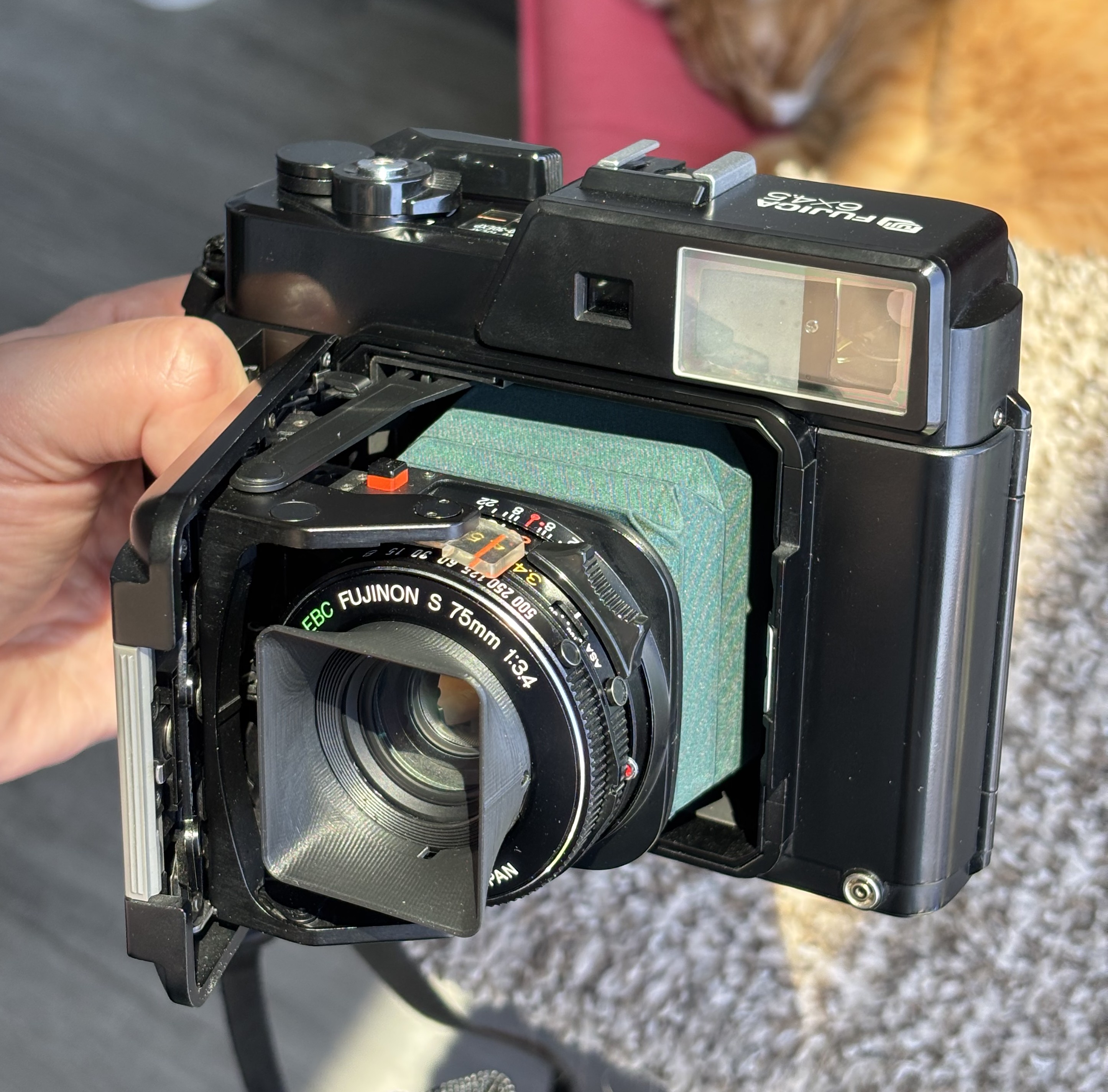
<p> One issue with this lens is that there is no filter threads, it instead relies on a rare clip in lens hood with an adapter that accepts 40.5mm threaded filters. Fortunately, I was able to 3d print this adapter using a design posted by @sputnik_306636 on Printables. As rangefinders traditionally have rectangular lens hoods, I wanted to experiment with designing my own. I used the mounting mechanism from Sputnik’s design and designed my own rectangular lens hood design on Solidworks. I then 3D printed this in a matte black PLA.</p>

<figure>
  <img src="/assets/images/GS645_5.jpeg" alt="Description of the photo" />
  <figcaption>Fujica GS645 Professional | Custom Lens Hood</figcaption>
</figure>

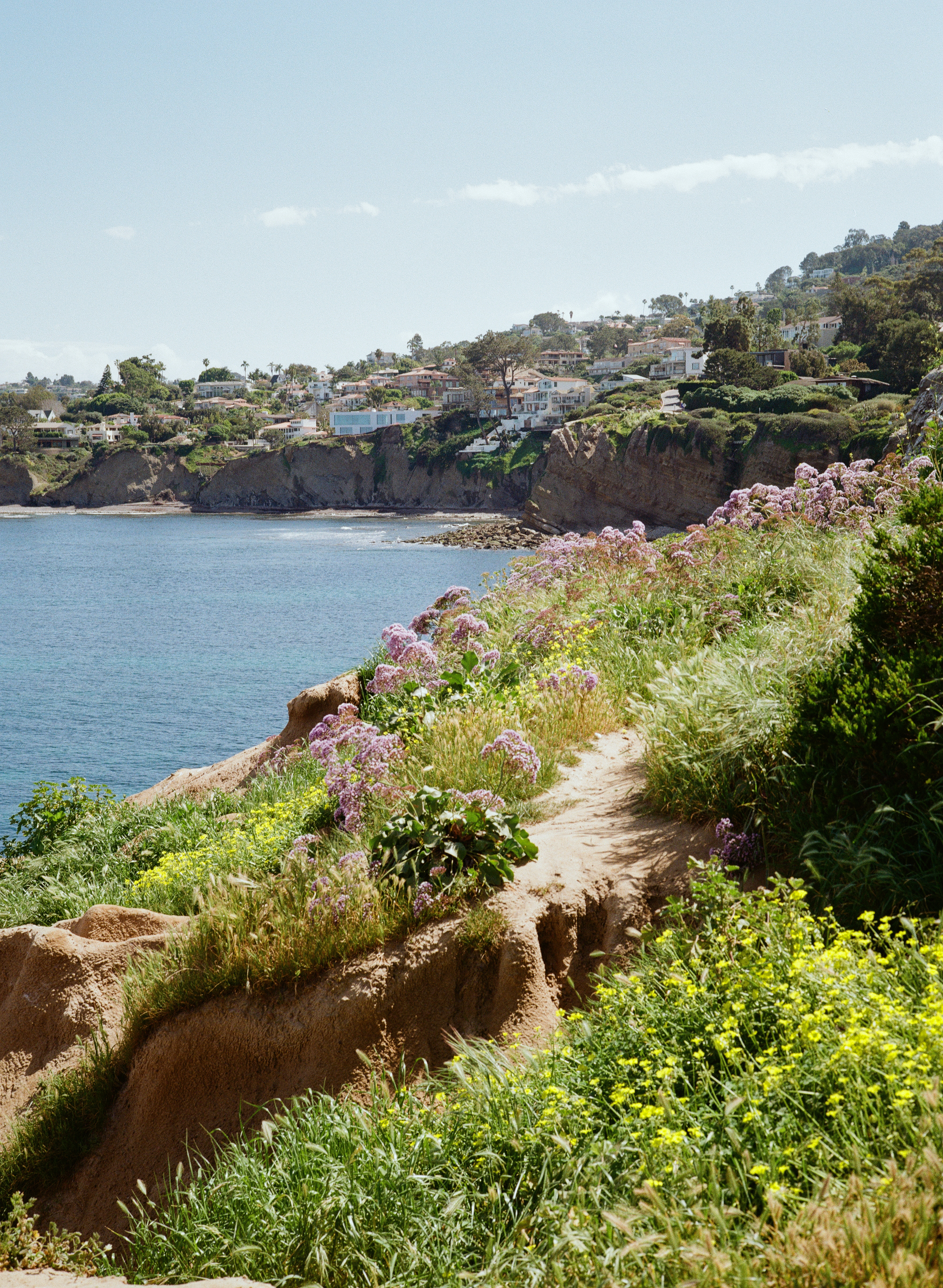
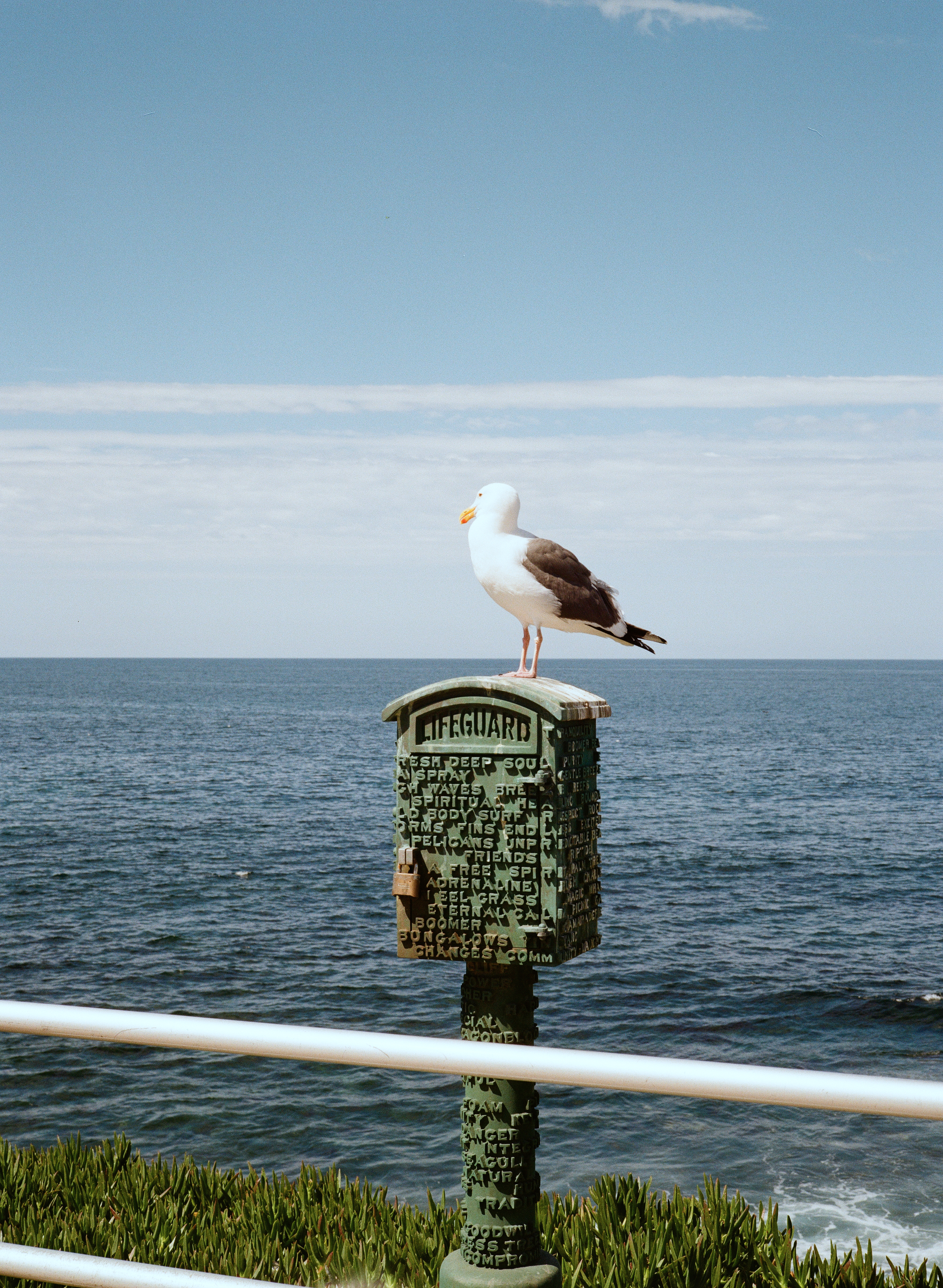
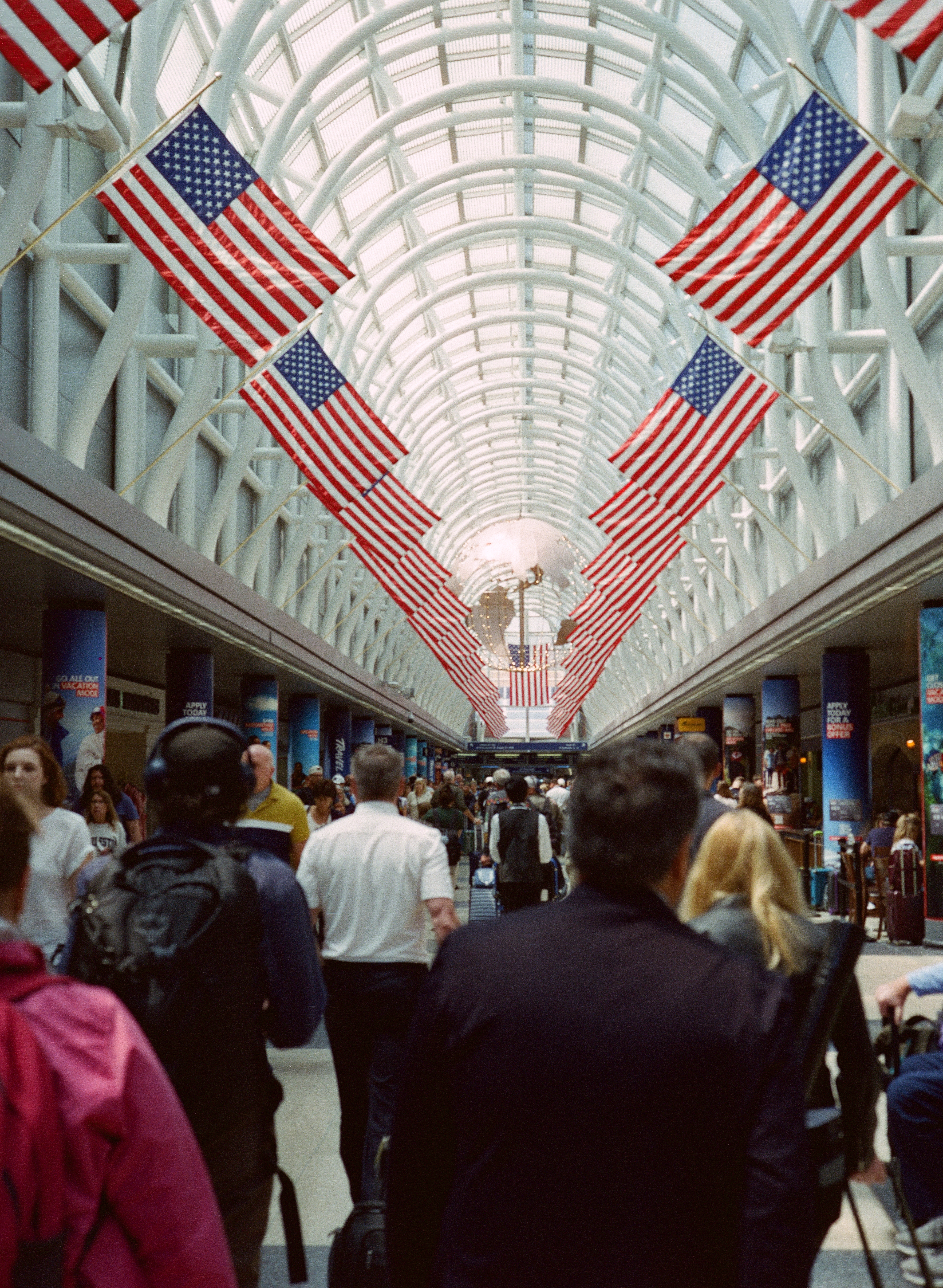
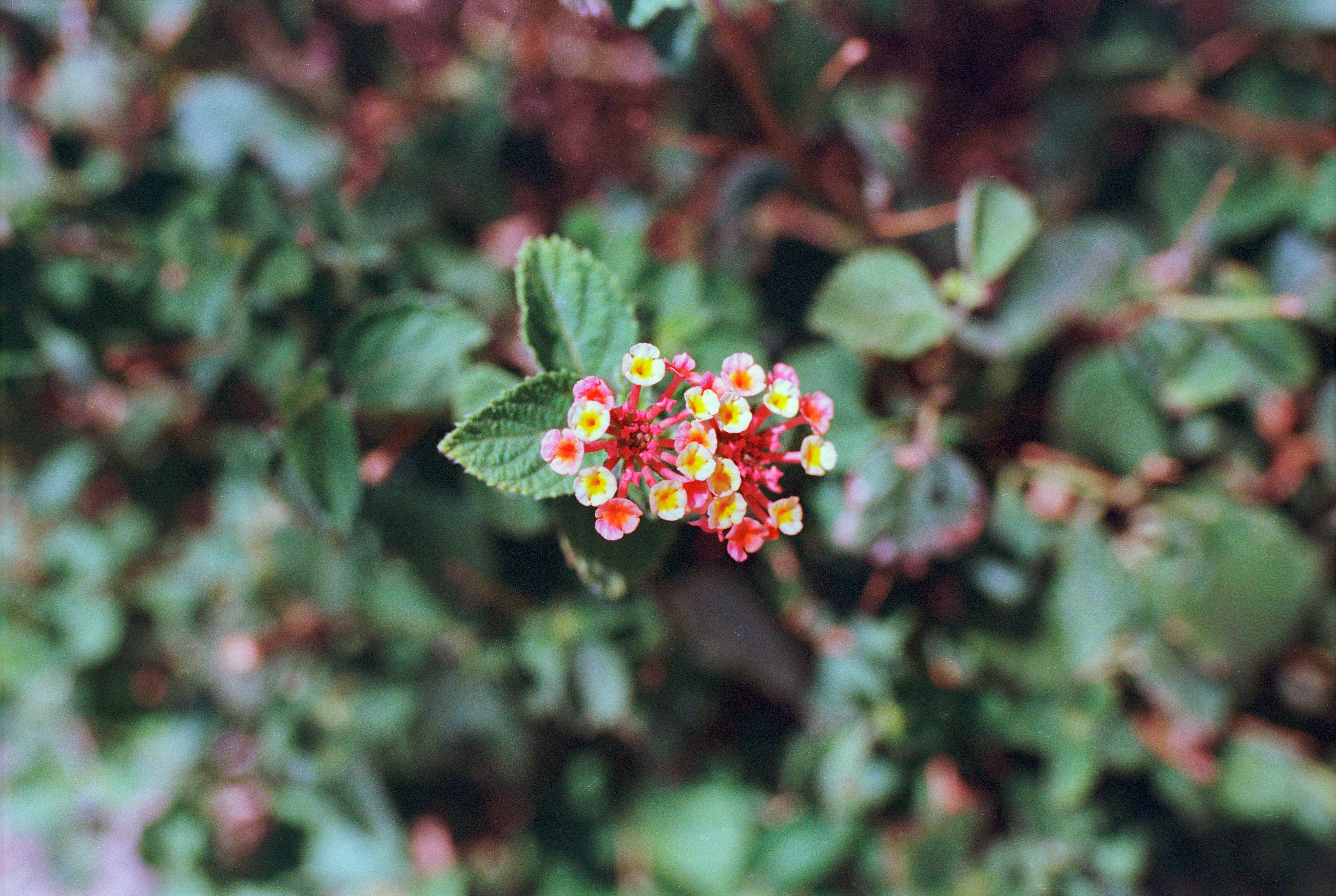
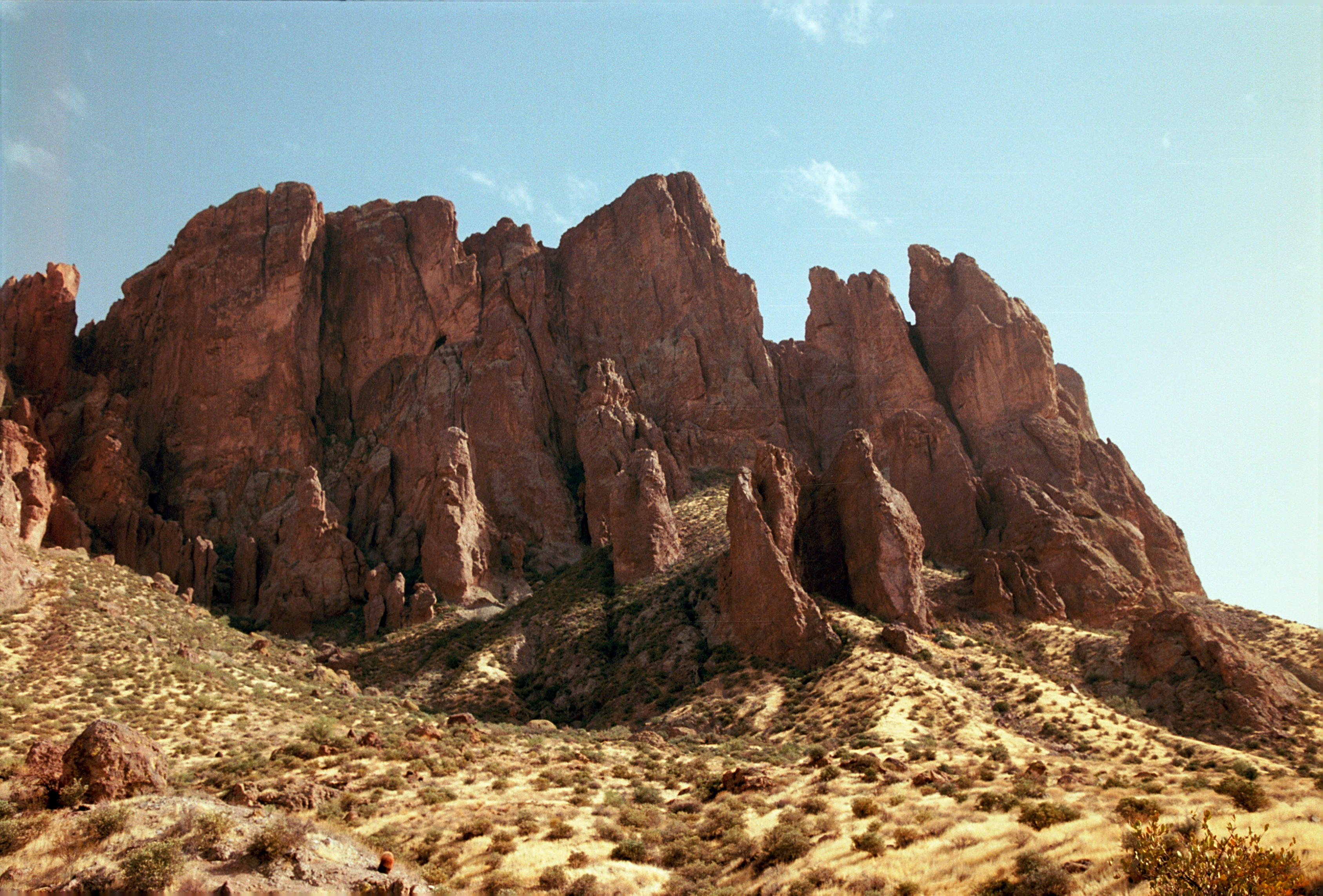
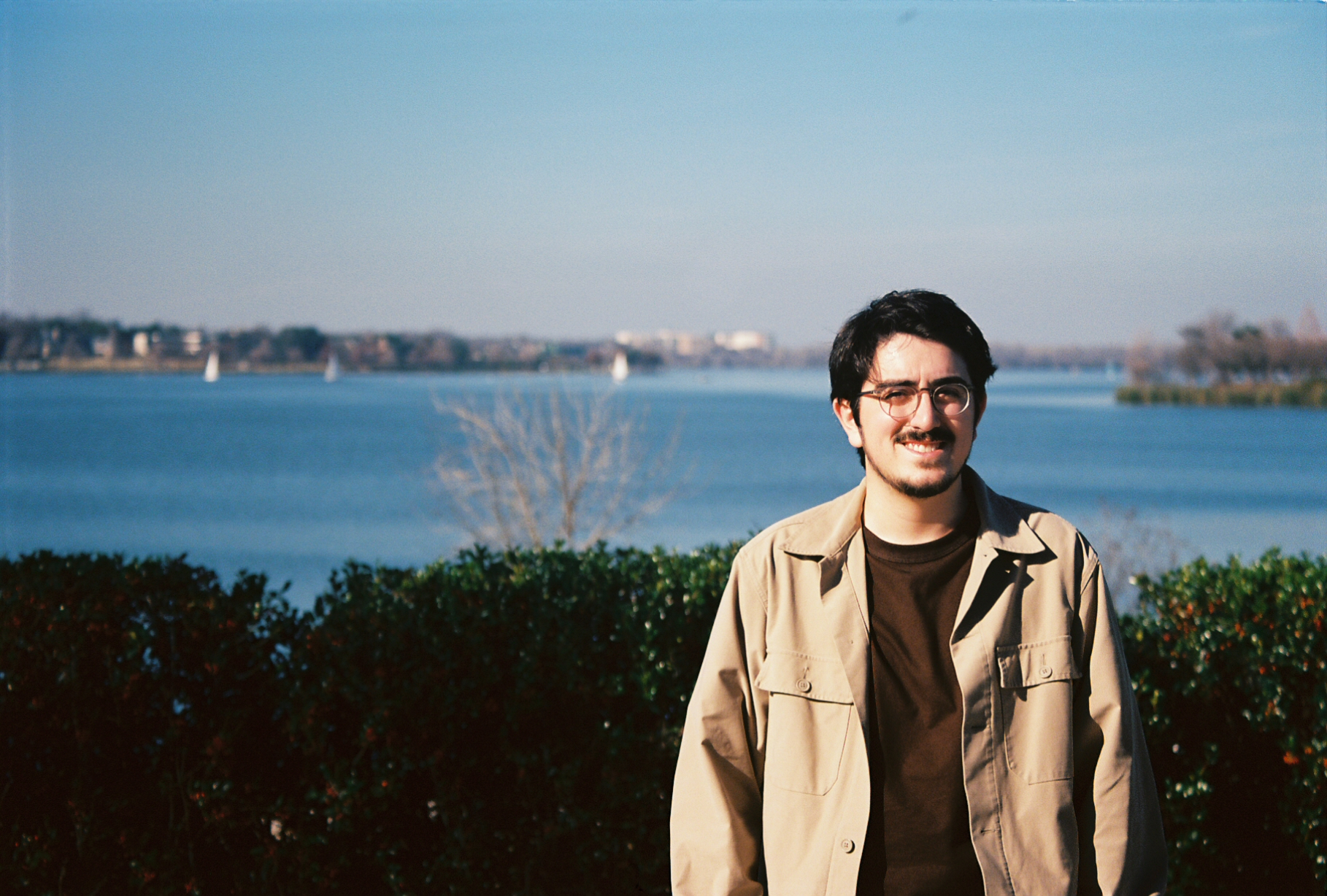
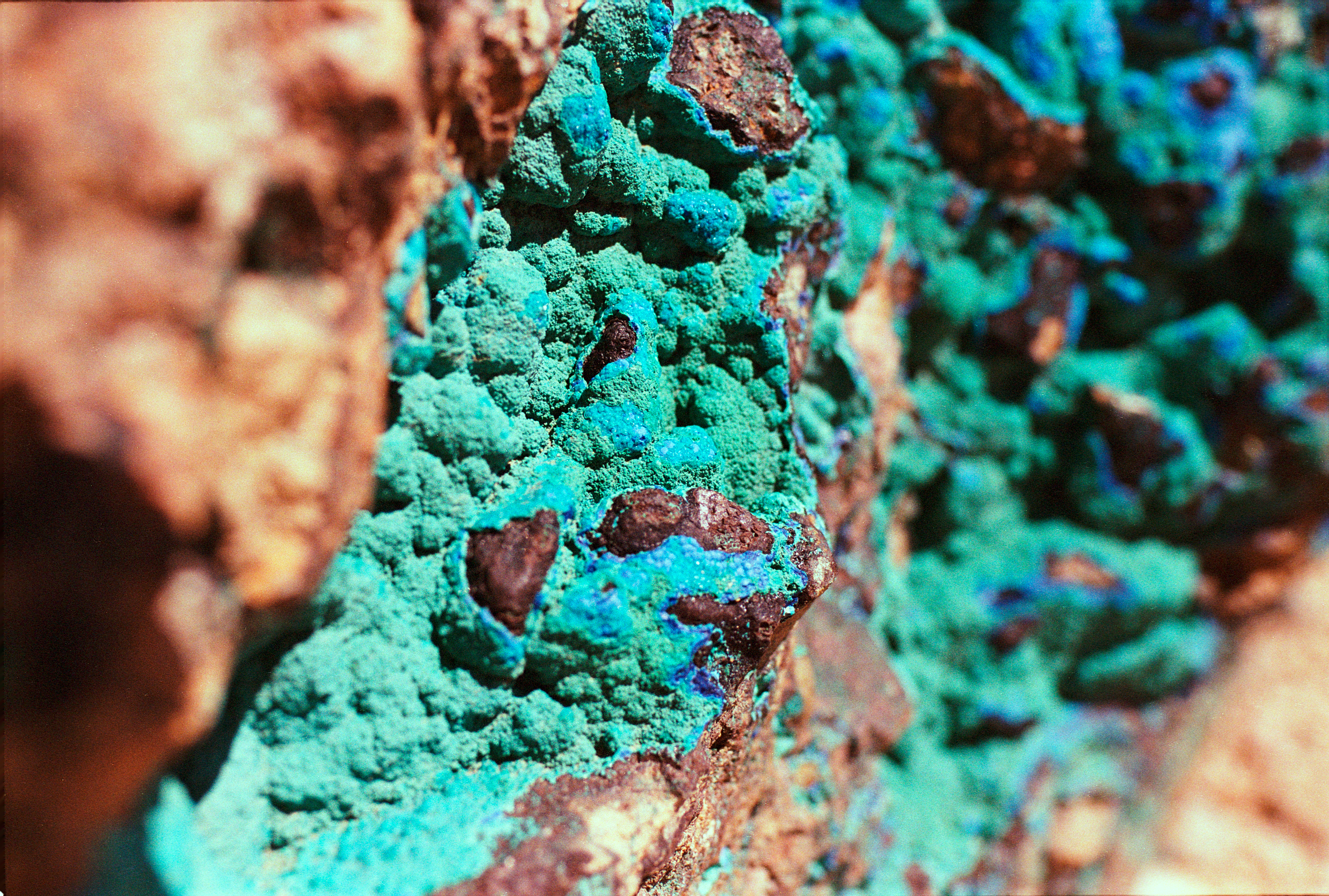
<p> Enough details, here are some photos showcasing this camera’s capabilities.</p>

<figure>
  <img src="/assets/images/GS645_6.jpg" alt="Description of the photo" />
  <figcaption>Fujica GS645 Professional | EBC Fujinon S 75mm f3.4 | Tri-X 400</figcaption>
</figure>

<figure>
  <img src="/assets/images/GS645_7.jpg" alt="Description of the photo" />
  <figcaption>Fujica GS645 Professional | EBC Fujinon S 75mm f3.4 | Gold 200</figcaption>
</figure>

<figure>
  <img src="/assets/images/GS645_8.jpg" alt="Description of the photo" />
  <figcaption>Fujica GS645 Professional | EBC Fujinon S 75mm f3.4 | Gold 200</figcaption>
</figure>

<figure>
  <img src="/assets/images/GS645_9.jpg" alt="Description of the photo" />
  <figcaption>Fujica GS645 Professional | EBC Fujinon S 75mm f3.4 | Cinestill 800T</figcaption>
</figure>

<figure>
  <img src="/assets/images/GS645_10.jpg" alt="Description of the photo" />
  <figcaption>Fujica GS645 Professional | EBC Fujinon S 75mm f3.4 | Cinestill 800T</figcaption>
</figure>

<figure>
  <img src="/assets/images/Why_Film4.jpg" alt="Description of the photo" />
  <figcaption>Fujica GS645 Professional | EBC Fujinon S 75mm f3.4 | Portra 400</figcaption>
</figure>

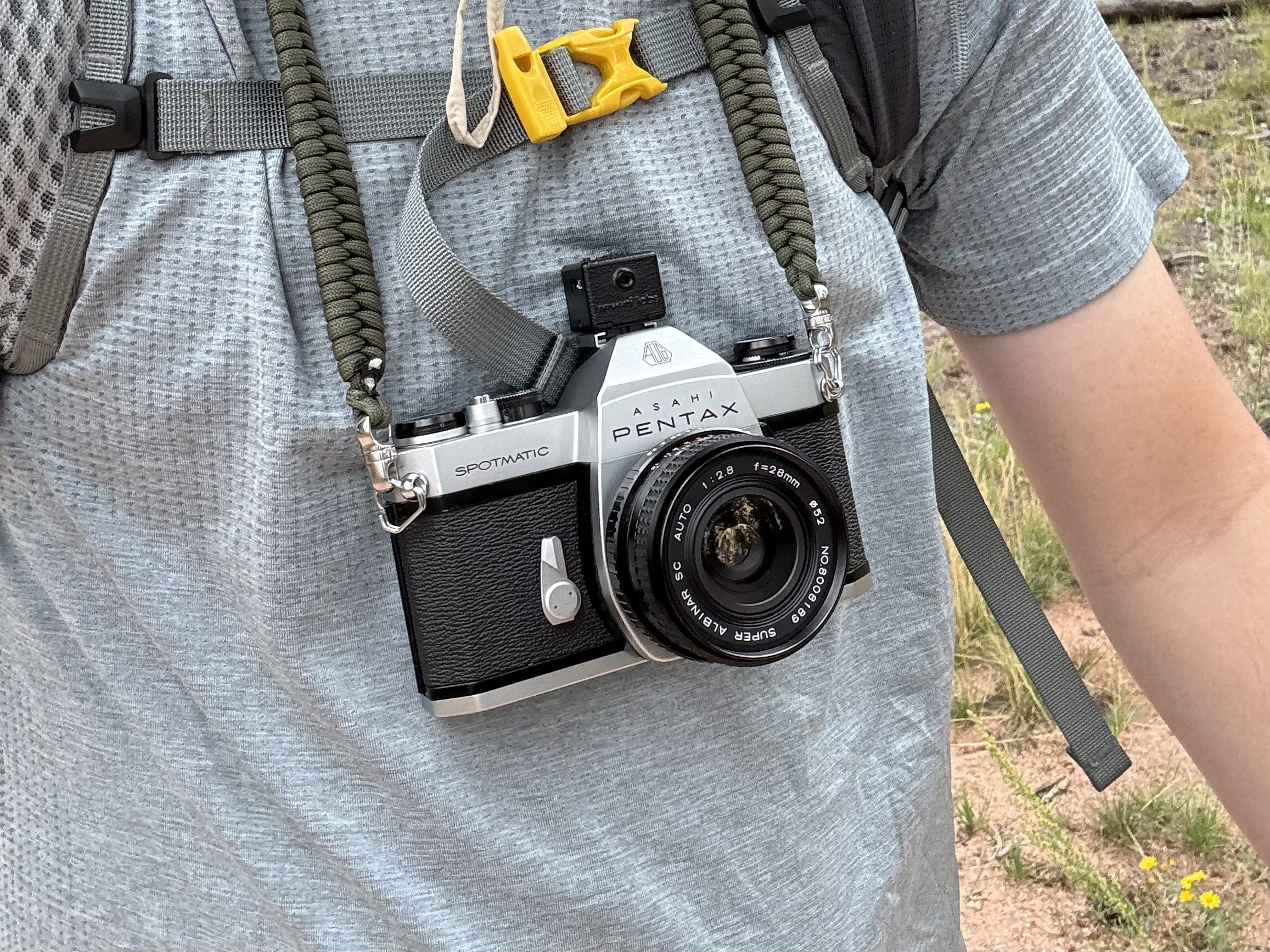
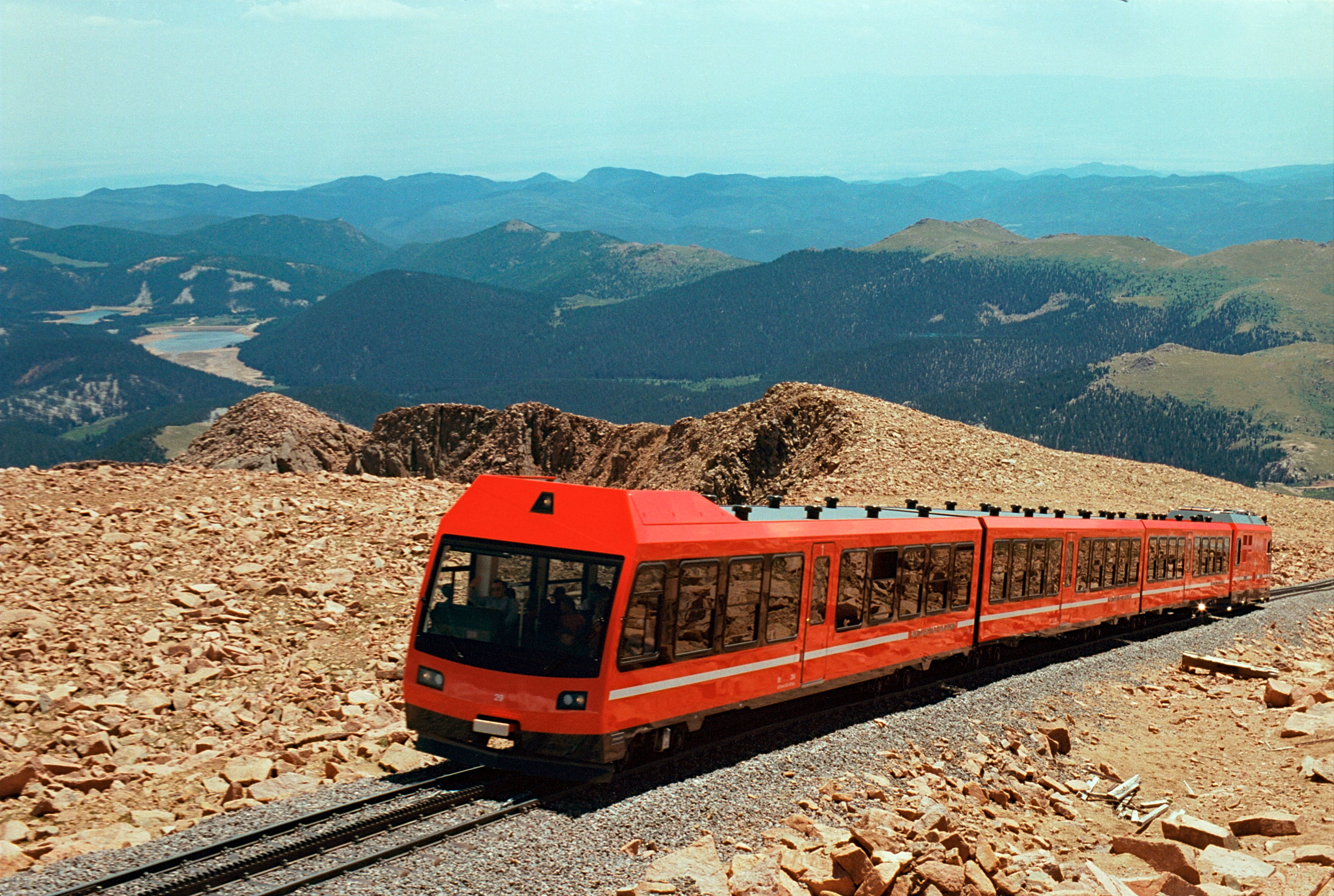
<p> As an engineering minded person, this camera has quickly become my favorite. I love its complicated mechanisms and the absolutely incredible photos it takes are the cherry on top. That being said, I would not recommend this camera to someone wanting a first medium format camera. People that know this camera may have noticed earlier that the bellows are green rather than the stock black leatherette. When I got this camera, there was tears in the bellows leading to terrible light leaks. After communicating with the ebay seller, I was able to get a partial refund and purchase an aftermarket bellows. Installing these was incredibly scary. It required complex cutting and gluing along with removing the lens from the mechanical assembly to install. I found this as a welcome challenge, but for many others, this would be an incredibly hard repair to complete themselves. To make it worse, there is also the requirement that before folding the lens you <em>must</em> set the focus to infinity and cock the shutter. If you don’t do either of these things and fold the lens, it will either scratch the lens or break the delicate focusing linkages. This is an odd camera for many reasons, but that’s why it’s my favorite.</p>]]></content><author><name>Eric Pacheco</name></author><category term="Photography" /><summary type="html"><![CDATA[ After using my 35mm SLR’s for a good while, I had two types of cameras that I still really wanted to try using. First, a rangefinder camera: the alternative to the SLR focusing system. Second, a medium format camera, utilizing larger 120 film. I decided to hit two birds with one stone and got the Fujica GS645 Professional: a 645 medium format rangefinder.]]></summary></entry><entry><title type="html">Pentax Spotmatic II</title><link href="https://ericpacheco.net/photography/2026/08/28/PentaxSpotmaticII.html" rel="alternate" type="text/html" title="Pentax Spotmatic II" /><published>2026-08-28T00:00:00-04:00</published><updated>2026-08-28T00:00:00-04:00</updated><id>https://ericpacheco.net/photography/2026/08/28/PentaxSpotmaticII</id><content type="html" xml:base="https://ericpacheco.net/photography/2026/08/28/PentaxSpotmaticII.html"><![CDATA[<p> The next camera I got was a hand me down from my grandfather. The Pentax Spotmatic II. Released in 1971, this camera was most famous for its super-multicoated takumar lenses that were fast, inexpensive, well built, and sharp. It is the quintessential vintage manual slr camera. Shooting this was a really nice contrast from my autofocus elan 7, getting to manually set apertures, shutter speeds, and focus distance before pressing the nice spring loaded release and winding forward to the next frame. Unfortunately the light meter was broken as are many of the selenium based vintage meters. To account for this, I use a Reveni Labs light meter in aperture priority mode.</p>

<figure>
  <img src="/assets/images/PentaxSpotmaticII_1.jpeg" alt="Description of the photo" />
  <figcaption>Pentax Spotmatic II</figcaption>
</figure>

<p> This camera utilizes an m42 mount, allowing for compatibility with a wide variety of lenses. Below, I’ve included an image with each lens I own for this camera.</p>

<figure>
  <img src="/assets/images/PentaxSpotmaticII_2.jpg" alt="Description of the photo" />
  <figcaption>Pentax Spotmatic II | Super-Multi-Coated Takumar 50mm f1.4 | Pro Image 100</figcaption>
</figure>

<p> This lens is the most famous of the m42 mount takumar series, and it came with the camera when I got it. It has a super fast aperture allowing for some great subject separation and more flexibility in low light situations. An interesting fact about this particular lens is that most copies have a distinctive yellow haze to the glass. This is due to the <em>radioactive</em> thoriated glass lens element, sometimes used in high end vintage lenses for its high refractive index and low dispersion properties. As a result, I tend not to sleep with this lens next to my head or other cancer prone organs like I do with my other lenses. In all seriousness, it is absolutely safe to use, but perhaps should be carefully disposed of if the entire lens shatters.</p>

<figure>
  <img src="/assets/images/PentaxSpotmaticII_3.jpg" alt="Description of the photo" />
  <figcaption>Pentax Spotmatic II | Super Albinar SC Auto 28mm f2.8 | Gold 200</figcaption>
</figure>

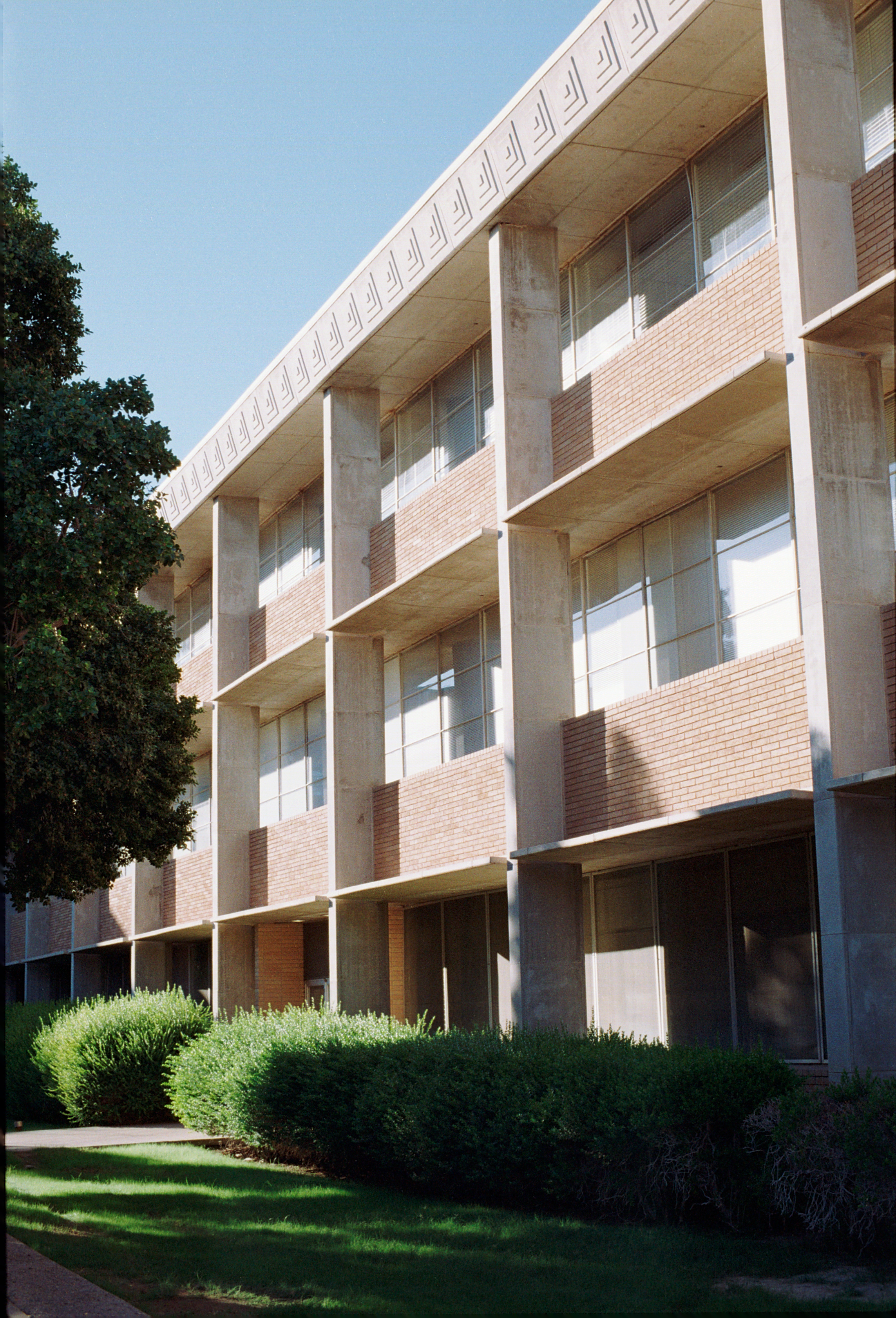
<p> This lens also came with the camera when it was given to me. The Super Albinar SC Auto 28mm f2.8 is known as a very low cost lens with pretty poor optics, in line with the rest of the series. As seen in the picture, there is loads of barrel distortion and fringing. When using this camera, I am never expecting perfection anyways, so the decent build quality and wide angle still make this a great lens that I often use.</p>

<figure>
  <img src="/assets/images/PentaxSpotmaticII_4.jpg" alt="Description of the photo" />
  <figcaption>Pentax Spotmatic II | Super-Multi-Coated Takumar 135mm f3.5 | Gold 200</figcaption>
</figure>

<p> This is the first lens I’ve actually purchased for this camera, as I saw it at a local camera store on a shelf for $60. The Super-Multi-Coated Takumar 135mm f3.5 was not a very popular lens in the series with its rather slow aperture. Fortunately, it still has great sharpness when stopped down a bit and great colors just like the other 50mm I have. I don’t use telephotos too much as they are pretty limited in use compared to 50mm and 28mm focal lengths. I still try to bring it every once and a while when on hikes just to mix things up.</p>

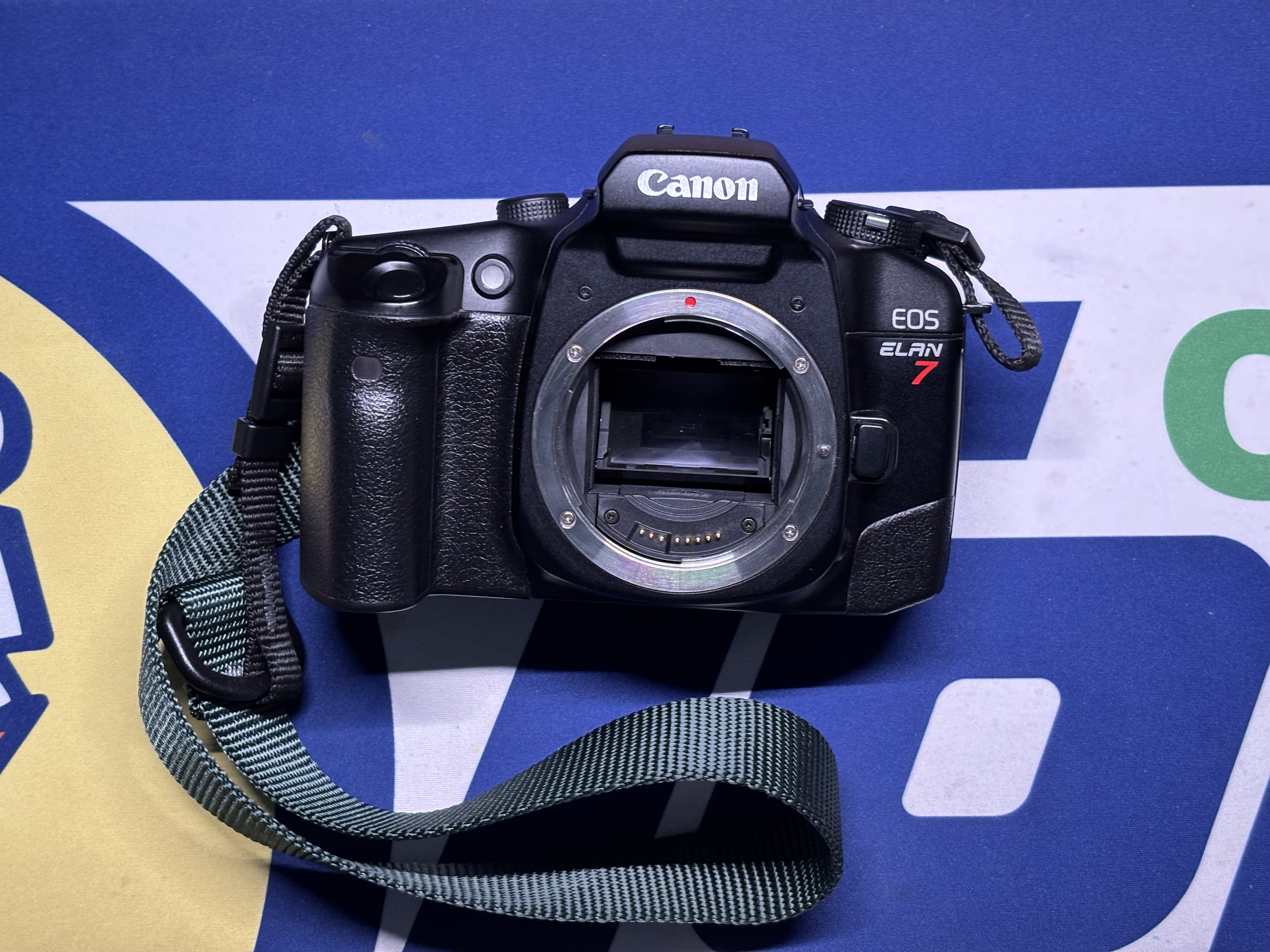
<p> I really enjoy this camera as it has a great ritual to shooting. It taught me to worry less about how the final picture looks and just enjoy the time shooting the camera itself. There is also something so special about using the same camera that’s been in my family for many years. My father told me stories about how he took this camera to college in order to take a photography class, taking portraits of his fraternity brothers. My grandpa used this camera in trips to Spain and Bolivia, in his work as an architect at IBM. I feel honored to continue cementing this camera as a heirloom in the Pacheco family.</p>]]></content><author><name>Eric Pacheco</name></author><category term="Photography" /><summary type="html"><![CDATA[ The next camera I got was a hand me down from my grandfather. The Pentax Spotmatic II. Released in 1971, this camera was most famous for its super-multicoated takumar lenses that were fast, inexpensive, well built, and sharp. It is the quintessential vintage manual slr camera. Shooting this was a really nice contrast from my autofocus elan 7, getting to manually set apertures, shutter speeds, and focus distance before pressing the nice spring loaded release and winding forward to the next frame. Unfortunately the light meter was broken as are many of the selenium based vintage meters. To account for this, I use a Reveni Labs light meter in aperture priority mode.]]></summary></entry><entry><title type="html">Canon EOS Elan 7</title><link href="https://ericpacheco.net/photography/2026/08/27/EOSElan7.html" rel="alternate" type="text/html" title="Canon EOS Elan 7" /><published>2026-08-27T00:00:00-04:00</published><updated>2026-08-27T00:00:00-04:00</updated><id>https://ericpacheco.net/photography/2026/08/27/EOSElan7</id><content type="html" xml:base="https://ericpacheco.net/photography/2026/08/27/EOSElan7.html"><![CDATA[<p> An interesting part about film cameras is that there is value added to the vintage aspect. People don’t want to shoot film on a camera that looks and operates like a dslr, they want a more manual and mechanical feeling camera. This results in some of the best modern film cameras having much lower pricing. So when my first film camera broke, I was able to pick up a Canon EOS Elan 7 for around $160 on ebay. This camera was especially interesting as its an EOS series camera. This means modern ef lens compatibility, TTL metering, autofocus, a whole host of shooting modes including full manual, and TTL flash capabilities, autowinding, and much more. One of my personal favorite features is the ability to set the film rewind to leave a leader, allowing me to mark the shot I’m on and switch between film stocks.</p>

<figure>
  <img src="/assets/images/EOSElan7_1.jpeg" alt="Description of the photo" />
  <figcaption>Canon EOS Elan 7</figcaption>
</figure>

<p> It’s pretty easy to mistake it for a dslr. Below I’ve added some sample images, one for each lens I’ve shot on this camera.</p>

<figure>
  <img src="/assets/images/EOSElan7_2.jpg" alt="Description of the photo" />
  <figcaption>Canon EOS Elan 7 | Canon EF 50mm f1.8 STM | Gold 200</figcaption>
</figure>

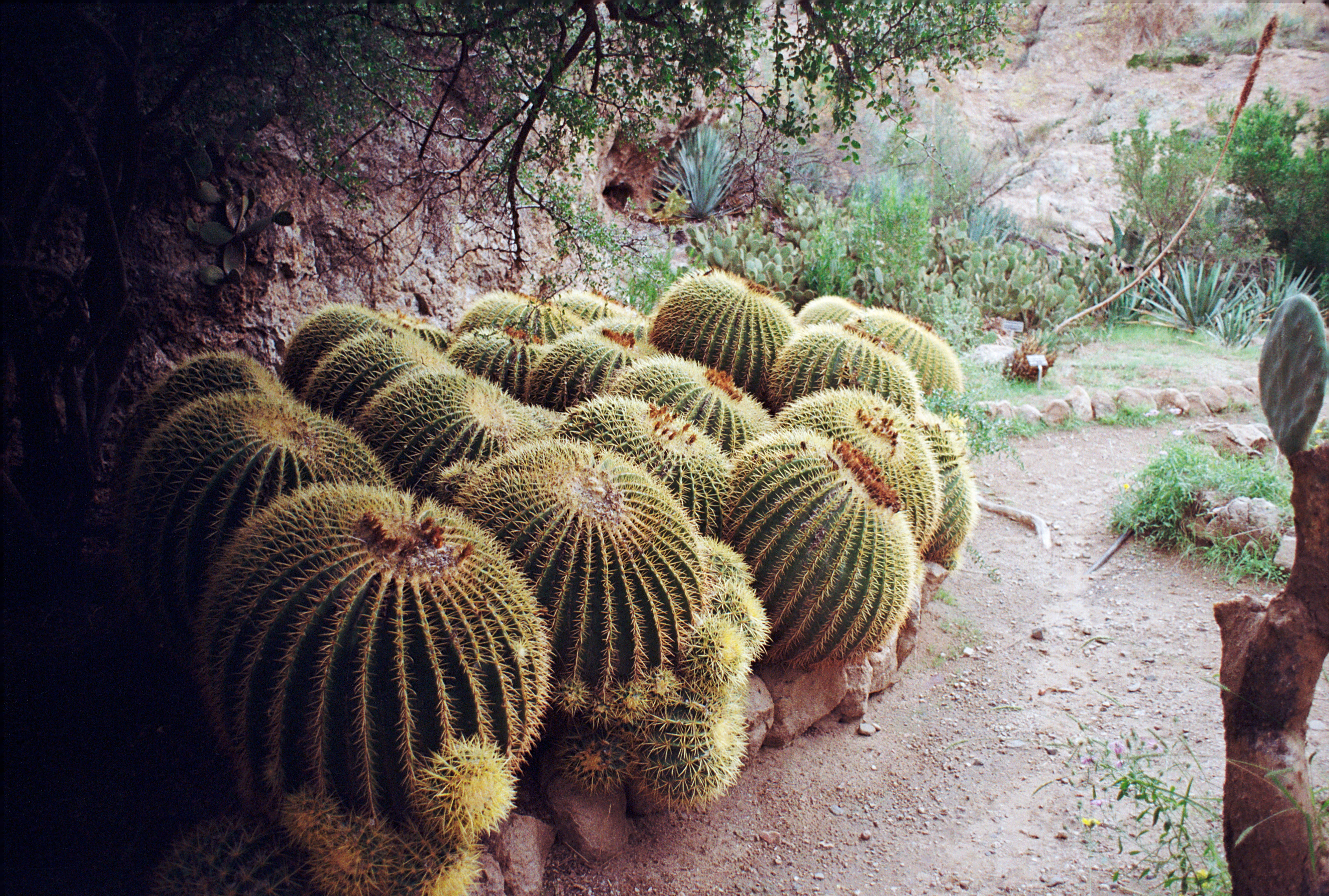
<p> The Canon EF 50mm f1.8 STM is the first lens I got for the camera. It is known as the nifty fifty and is well liked for being an incredible lens for the price thanks to innovations like the molded plastic aspherical lens element.</p>

<figure>
  <img src="/assets/images/EOSElan7_3.jpg" alt="Description of the photo" />
  <figcaption>Canon EOS Elan 7 | Zeiss Distagon 35mm f1.4 ZE T* | Ultramax 400</figcaption>
</figure>

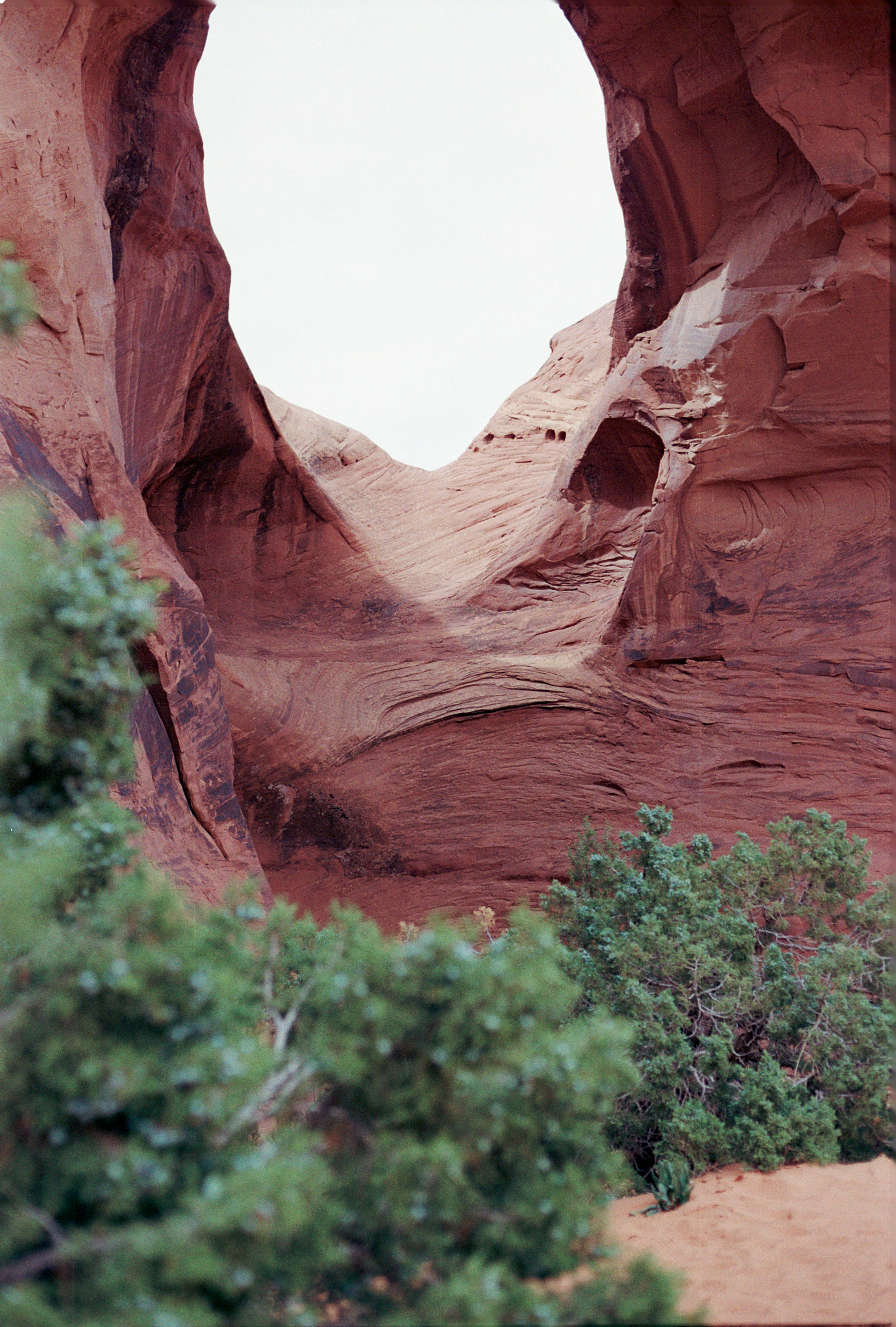
<p> One weekend, I decided to rent out the Zeiss Distagon 35mm f1.4 ZE T*. This lens is interesting as it is manual focus only. As with most Zeiss lenses, you get this 3D pop that almost feels like the subject is coming out of the screen, as can be seen clearly in the picture.</p>

<figure>
  <img src="/assets/images/EOSElan7_4.jpg" alt="Description of the photo" />
  <figcaption>Canon EOS Elan 7 | Canon EF 24-105mm f4L IS USM | Ektar 100</figcaption>
</figure>

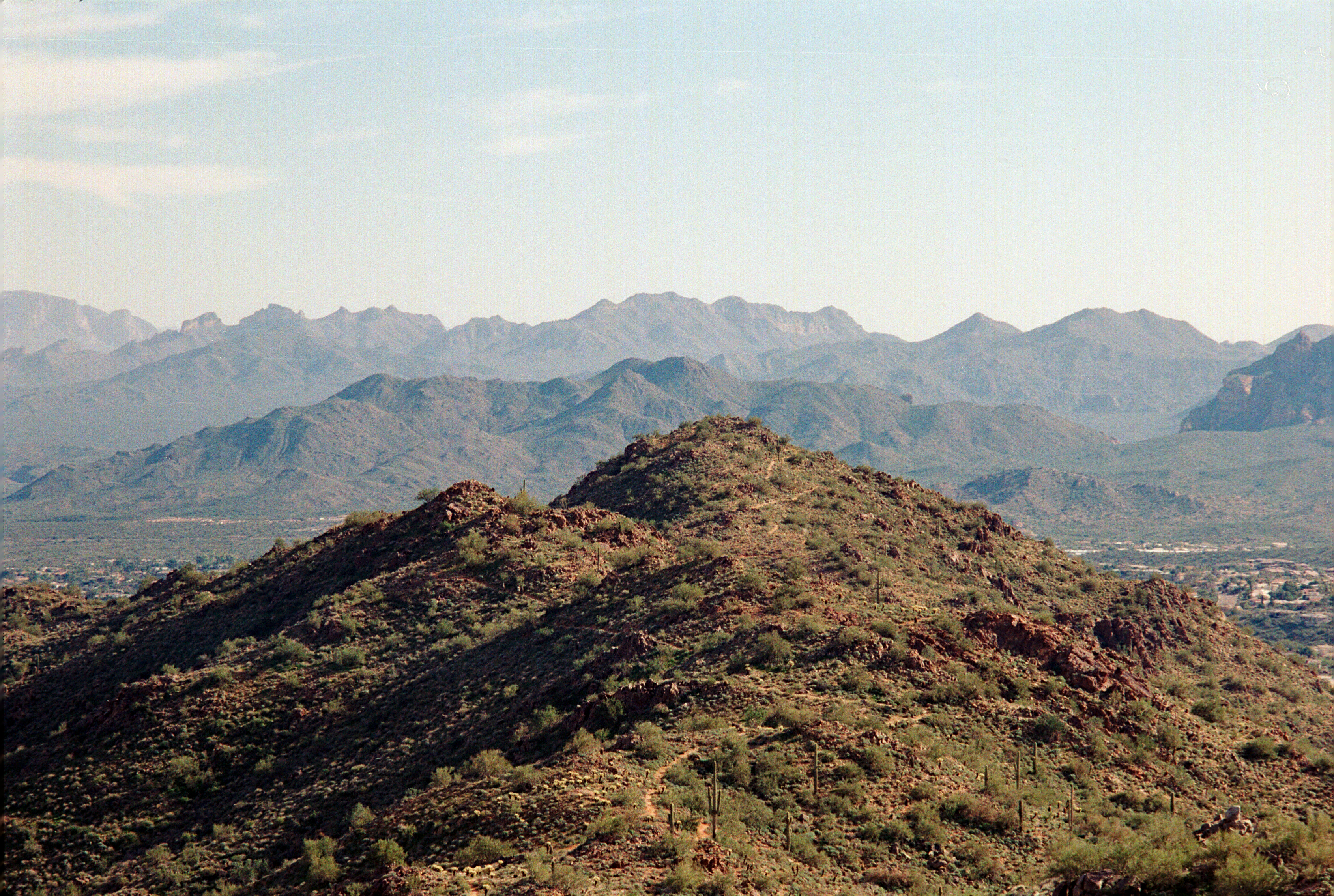
<p> My most recent lens I’ve purchased is the Canon EF 24-105mm f4L IS USM, a travel zoom. As it is part of the Canon L series, this lens has a decent, larger aperture across the entire zoom range. Additionally, it features image stabilization, allowing shooting at lower shutter speeds without getting blur from hand shake.</p>

<p> This camera was the perfect first purchase for someone like me who had no idea how to begin in film photography. Still now, it serves as my primary camera as it just has so many useful modern features that ensure you get the shot if you really want it.</p>]]></content><author><name>Eric Pacheco</name></author><category term="Photography" /><summary type="html"><![CDATA[ An interesting part about film cameras is that there is value added to the vintage aspect. People don’t want to shoot film on a camera that looks and operates like a dslr, they want a more manual and mechanical feeling camera. This results in some of the best modern film cameras having much lower pricing. So when my first film camera broke, I was able to pick up a Canon EOS Elan 7 for around $160 on ebay. This camera was especially interesting as its an EOS series camera. This means modern ef lens compatibility, TTL metering, autofocus, a whole host of shooting modes including full manual, and TTL flash capabilities, autowinding, and much more. One of my personal favorite features is the ability to set the film rewind to leave a leader, allowing me to mark the shot I’m on and switch between film stocks.]]></summary></entry><entry><title type="html">Why Film Photography?</title><link href="https://ericpacheco.net/photography/2026/08/26/Why_Film.html" rel="alternate" type="text/html" title="Why Film Photography?" /><published>2026-08-26T00:00:00-04:00</published><updated>2026-08-26T00:00:00-04:00</updated><id>https://ericpacheco.net/photography/2026/08/26/Why_Film</id><content type="html" xml:base="https://ericpacheco.net/photography/2026/08/26/Why_Film.html"><![CDATA[<p> I began my photography journey during the holidays about 2 years ago after finding my mother’s old EOS Rebel Ti in a cabinet. After getting some batteries and testing it, I decided to research more into how I would go about taking some pictures, of course, starting with buying film.</p>

<p> I was intrigued by the aesthetics of Wes Anderson films and after a quick search, I decided that Ektar 100 was the film stock I needed to take pictures that look straight out of Grand Budapest Hotel (I was wrong).</p>

<figure>
  <img src="/assets/images/Why_Film1.jpg" alt="Description of the photo" />
  <figcaption>Canon EOS Rebel Ti | EF 28-90mm f4-5.6 II | Ektar 100</figcaption>
</figure>

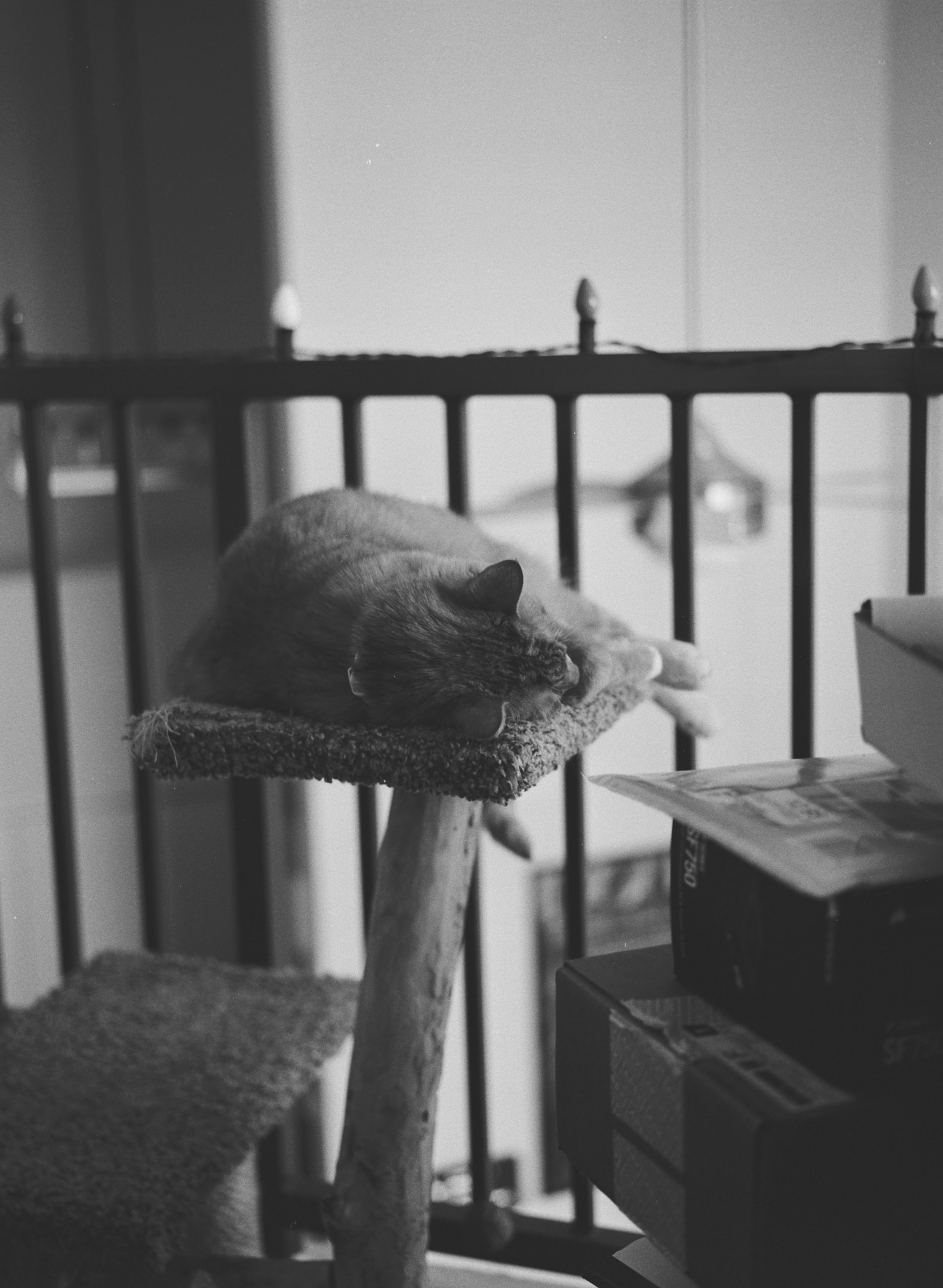
<p> The photos looked pretty good from the first roll as you can see above. Over the next year and a half, I took many more pictures and bought more cameras and lenses. To keep things brief, I’ve added a picture taken from each of my cameras below.</p>

<figure>
  <img src="/assets/images/Why_Film2.jpg" alt="Description of the photo" />
  <figcaption>Canon EOS Elan 7 | Zeiss Distagon 35mm f1.4 ZE T* | Ultramax 400</figcaption>
</figure>

<figure>
  <img src="/assets/images/Why_Film3.jpg" alt="Description of the photo" />
  <figcaption>Pentax Spotmatic II | Super-Multi-Coated Takumar 50mm f1.4 | Ektar 100</figcaption>
</figure>

<figure>
  <img src="/assets/images/Why_Film4.jpg" alt="Description of the photo" />
  <figcaption>Fujica GS645 Professional | EBC Fujinon S 75mm f3.4 | Portra 400</figcaption>
</figure>

<p> Now to address the title of this post. I began this hobby, as I do with most other hobbies, with a bit of an obsession with the technical aspects of photography and the gear that encompasses it. Over time, I’ve really learned that film forces me to slow down and enjoy my life. I worry less about how good the picture looks and enjoy the process. I may buy a dslr in the future, but for now I am fine taking the pictures I need with my iphone and leaving the pictures I want for film.</p>]]></content><author><name>Eric Pacheco</name></author><category term="Photography" /><summary type="html"><![CDATA[ I began my photography journey during the holidays about 2 years ago after finding my mother’s old EOS Rebel Ti in a cabinet. After getting some batteries and testing it, I decided to research more into how I would go about taking some pictures, of course, starting with buying film.]]></summary></entry></feed>