After using my 35mm SLR’s for a good while, I had two types of cameras that I still really wanted to try using. First, a rangefinder camera: the alternative to the SLR focusing system. Second, a medium format camera, utilizing larger 120 film. I decided to hit two birds with one stone and got the Fujica GS645 Professional: a 645 medium format rangefinder.
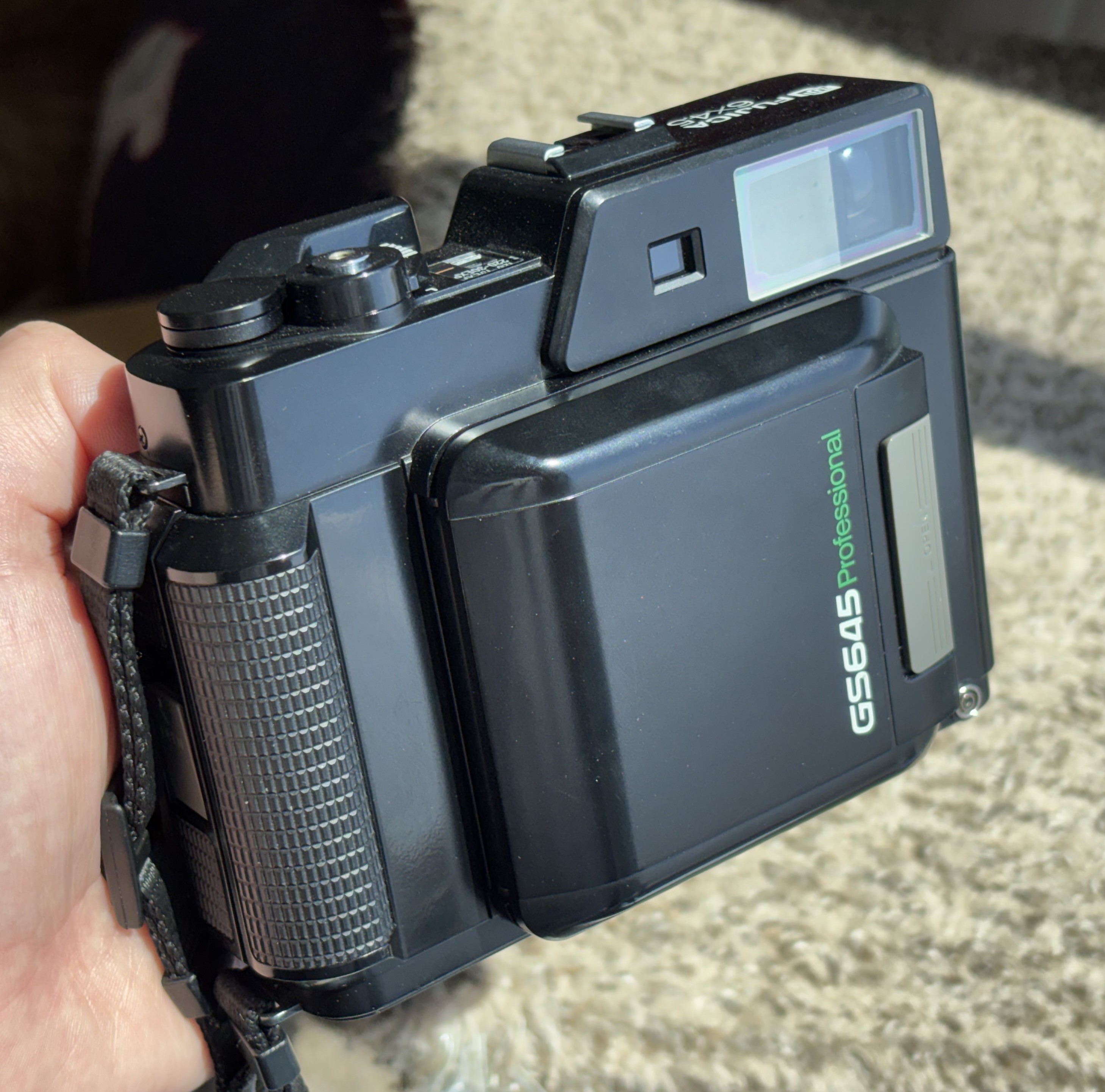
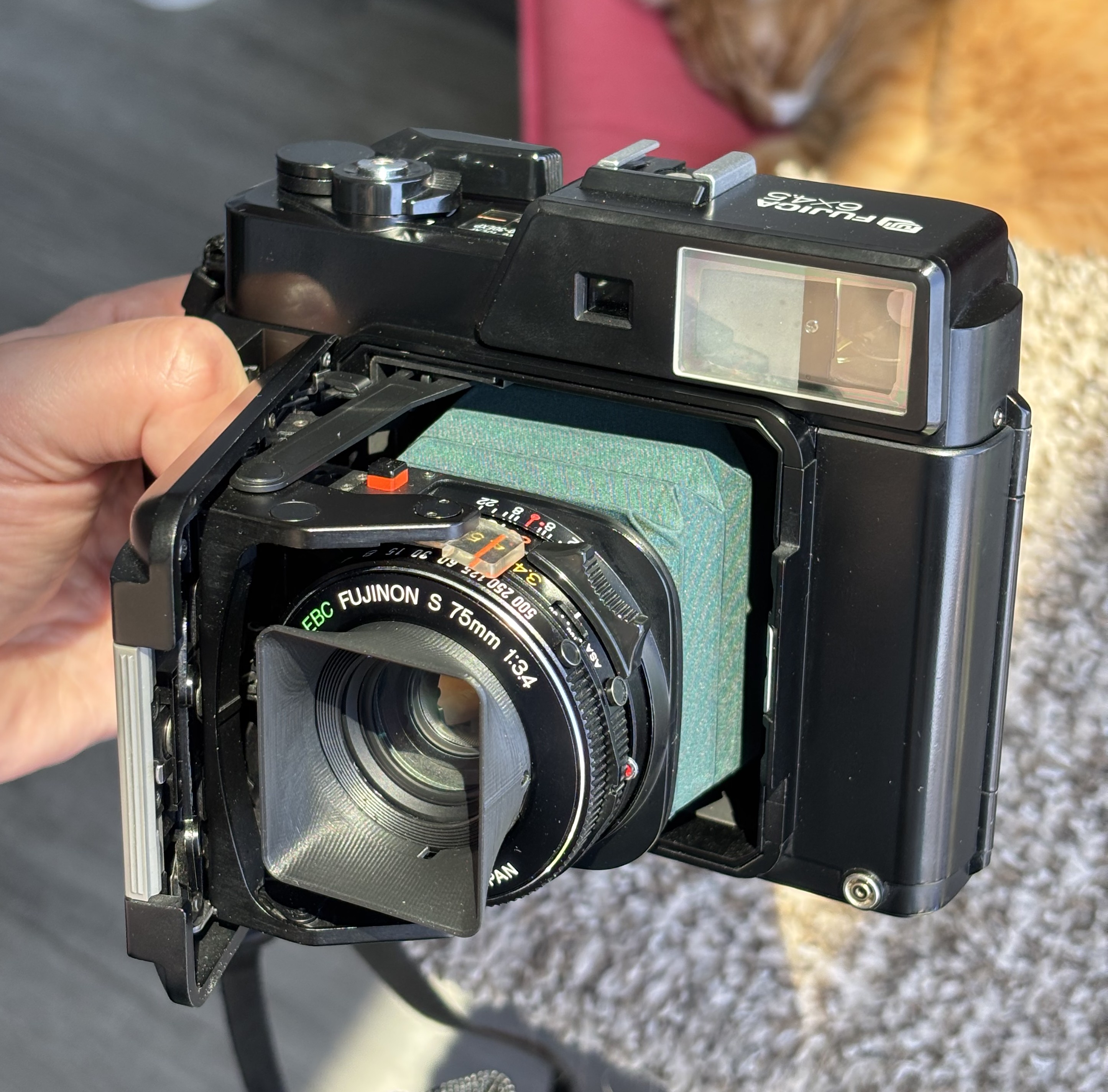
The first thing you’ll notice immediately is that there’s no lens in the picture. That is because this camera is also a folding camera, making this camera one of the smallest medium format cameras ever made.
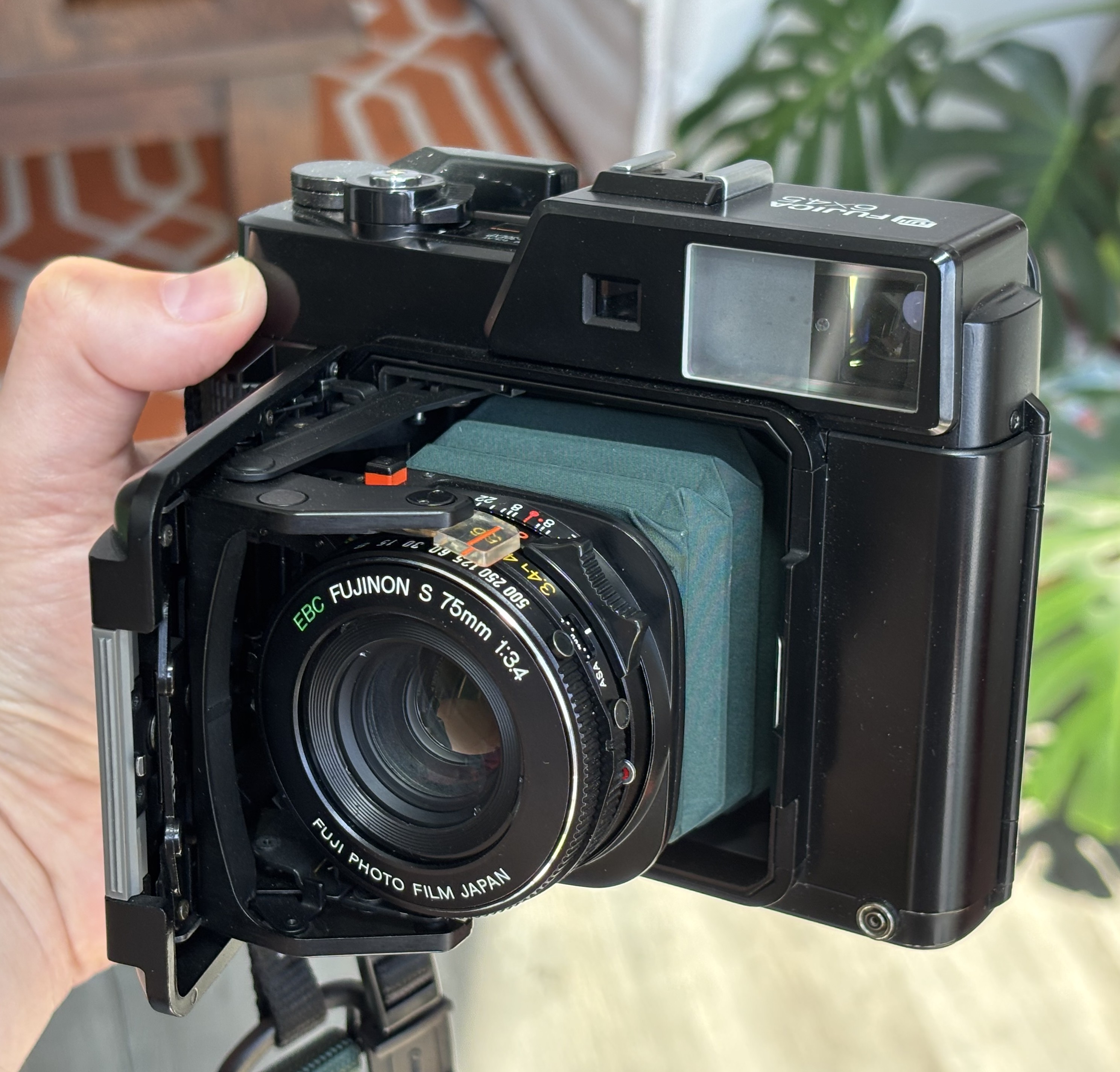
It utilizes an intricate folding mechanism to store its EBC Fujinon S 75mm f3.4. While this may seem like a bit of a lame lens, keep in mind that in the larger 645 format, This focal length and aperture produces images equivalent to around 47mm f1.8 on a 35mm format camera. A very interesting fact is that the lens is mounted in a leaf shutter, meaning a few things. The shutter is next to aperture rather than the film plane, allowing exposure of the entire film plane at one moment during all shutter speeds. Therefore, flash sync speed is the same as the max shutter speed, outclassing any other film slr ever made. The downside is that you have a slow shutter at a measly maximum 1/500th of a second. Additionally, as this leaf shutter lens is on a folding coupled rangefinder camera, it incorporates a folding trigger, cocking mechanism, light meter wire, and focus distance indexing mechanism.
As mentioned, the rangefinder system adds an extra layer of mechanical complication. In a typical SLR, the viewfinder looks directly through the taking lens, allowing for simple focusing and composing using the same image that will be displayed on the film. In a rangefinder, there are two separate lenses at the top of the camera that allow for range indexing and composing. One lens features a viewfinder with parallax-correcting framelines allowing for highly accurate framing despite the offset viewfinder. The other lens is offset, featuring a rotating mirror coupled with the lens focusing mechanism. This allows for determination of the correct focusing distance via triangulation. This rotating mirror redirects the light into a beam splitter, allowing for a double image in the lens of the viewfinder. Lining up the double image means that the subject is in focus. An example of an out of focus then in focus image are shown below. Note the parallax correction, with the second image having smaller framelines.
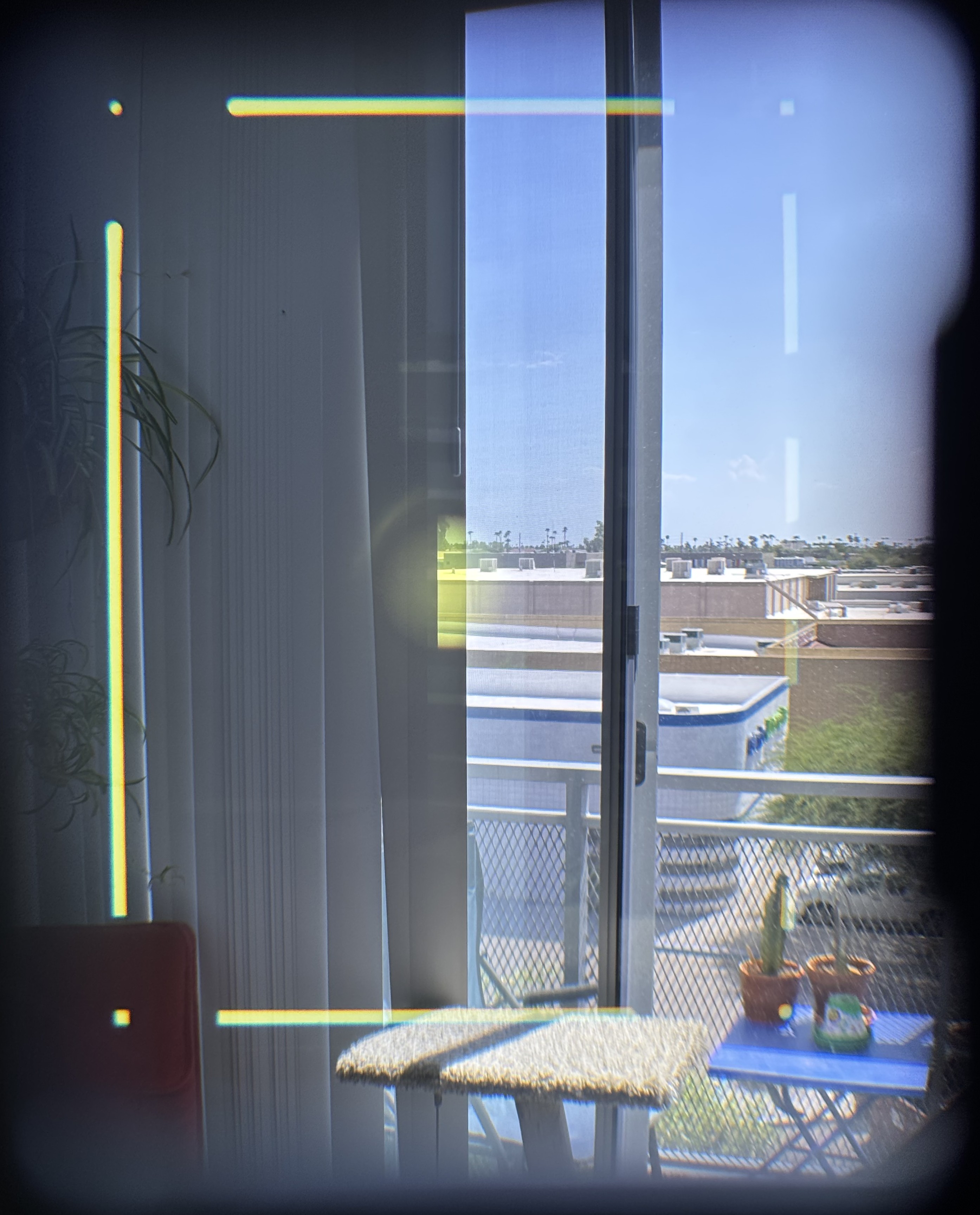
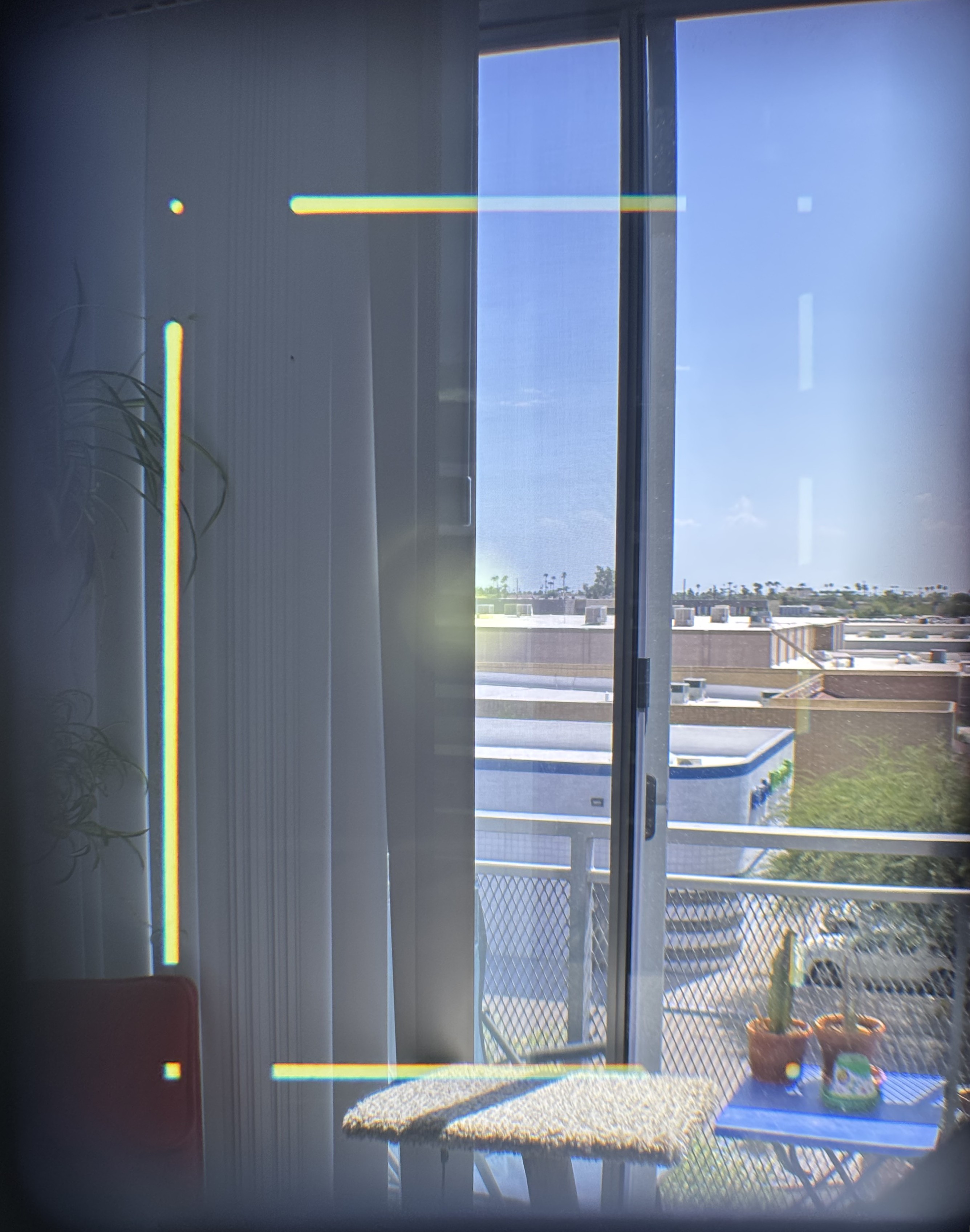
A couple more notes of interest. First, the camera shoots in portrait orientation. This makes the camera great for portrait photography and perfect for taking photos to post on instagram. Second, this camera features a light meter, allowing you to meter using an smooth, unclicked aperture ring.
One issue with this lens is that there is no filter threads, it instead relies on a rare clip in lens hood with an adapter that accepts 40.5mm threaded filters. Fortunately, I was able to 3d print this adapter using a design posted by @sputnik_306636 on Printables. As rangefinders traditionally have rectangular lens hoods, I wanted to experiment with designing my own. I used the mounting mechanism from Sputnik’s design and designed my own rectangular lens hood design on Solidworks. I then 3D printed this in a matte black PLA.
Enough details, here are some photos showcasing this camera’s capabilities.
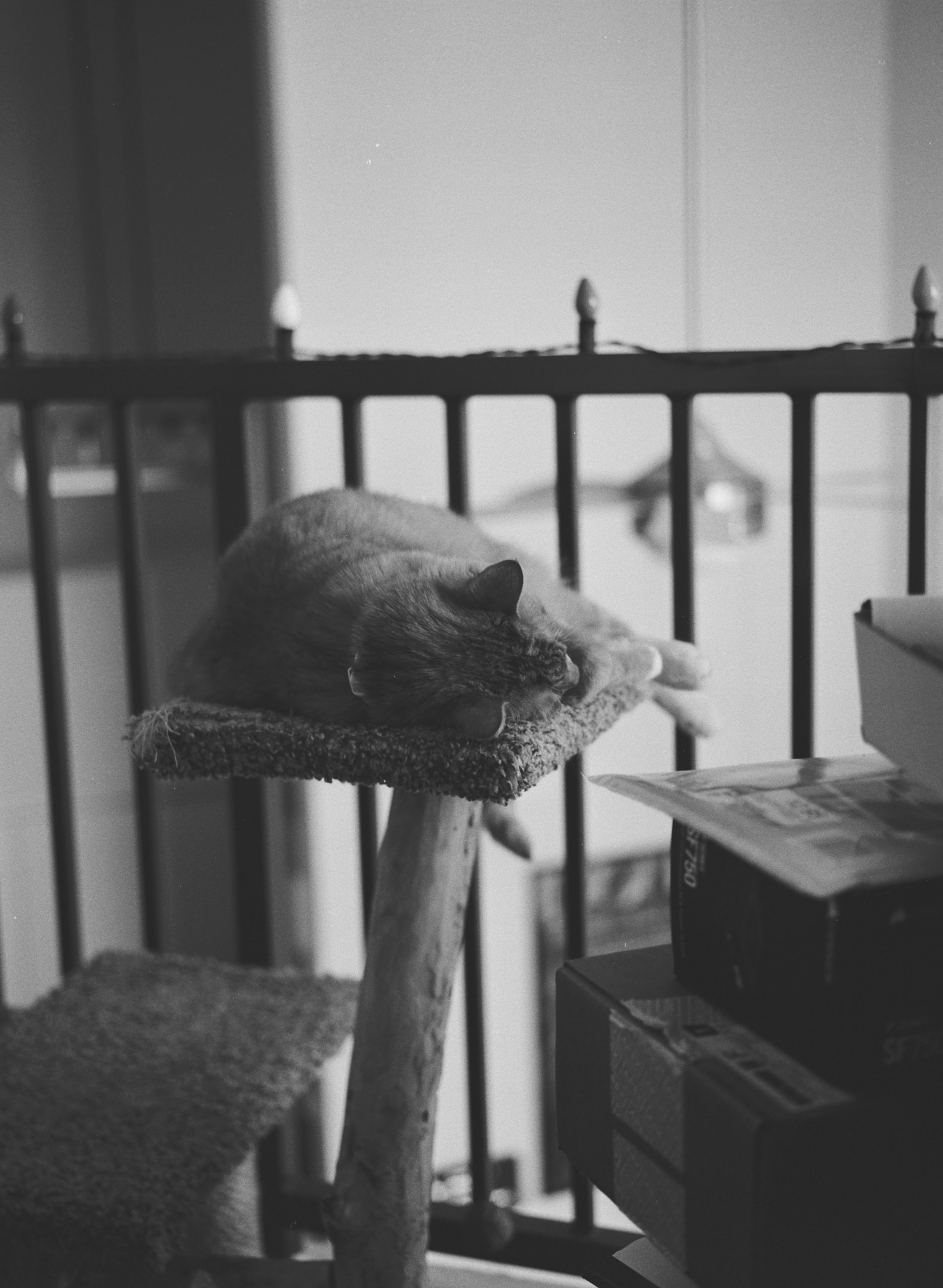

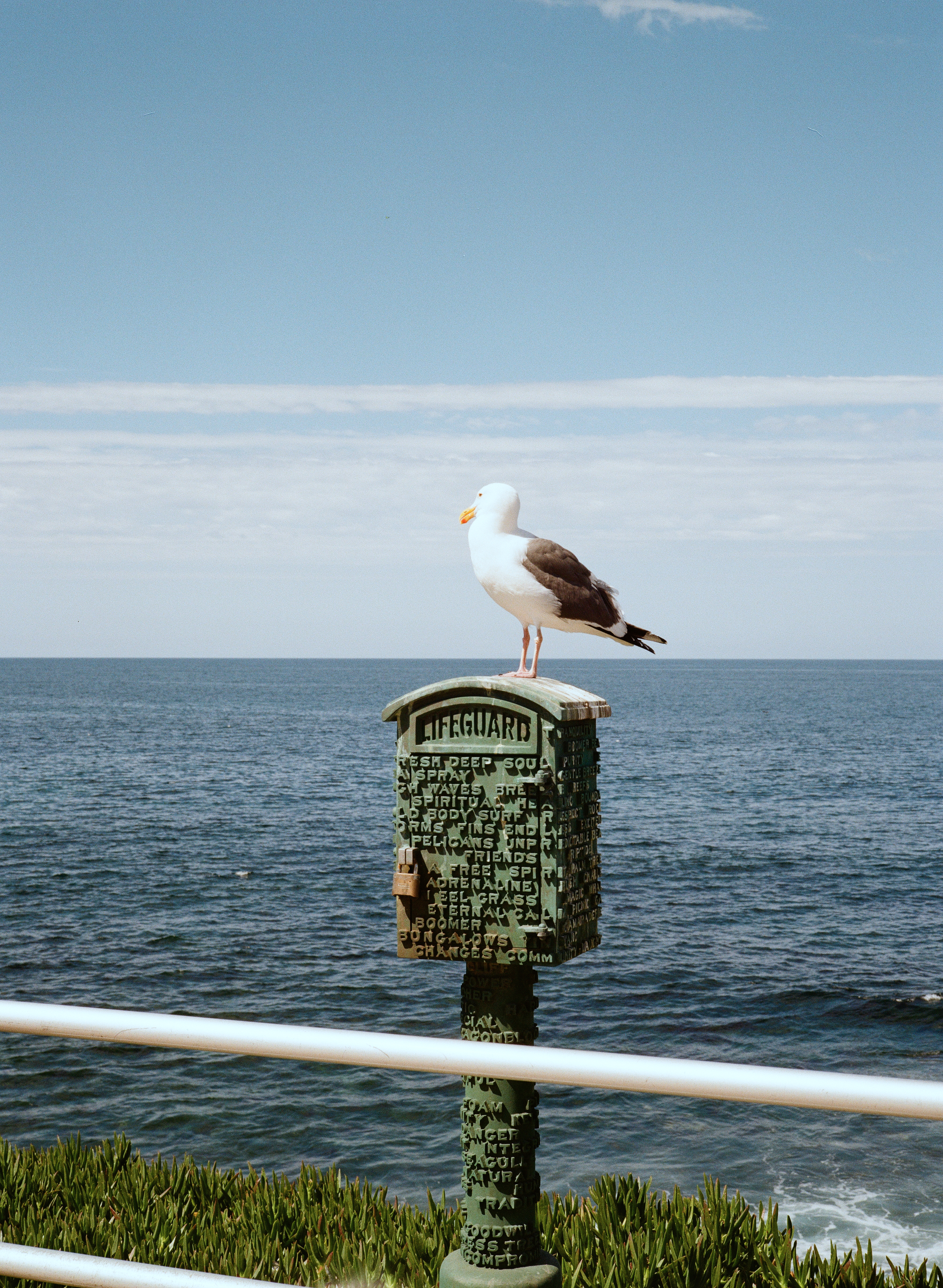
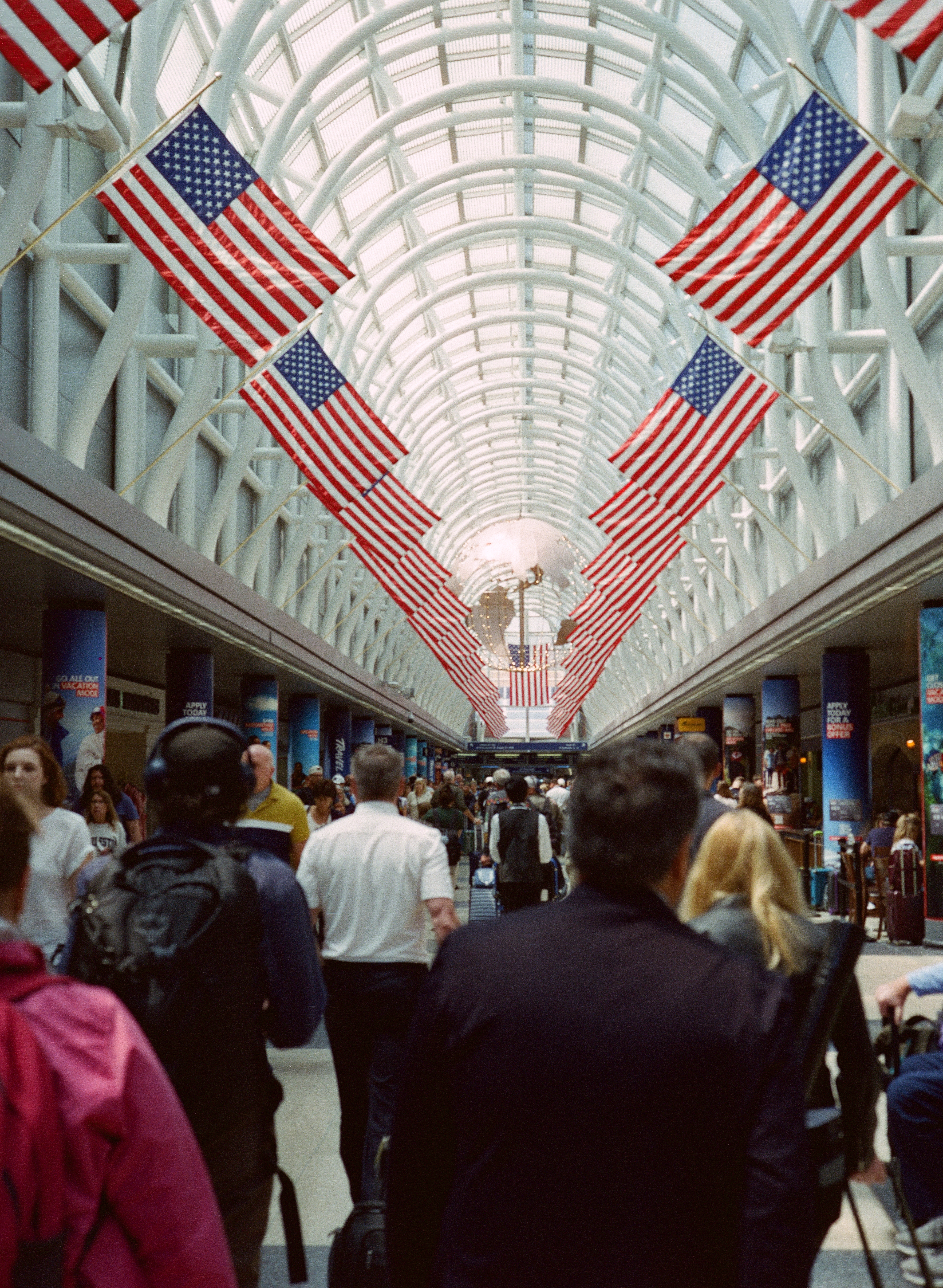

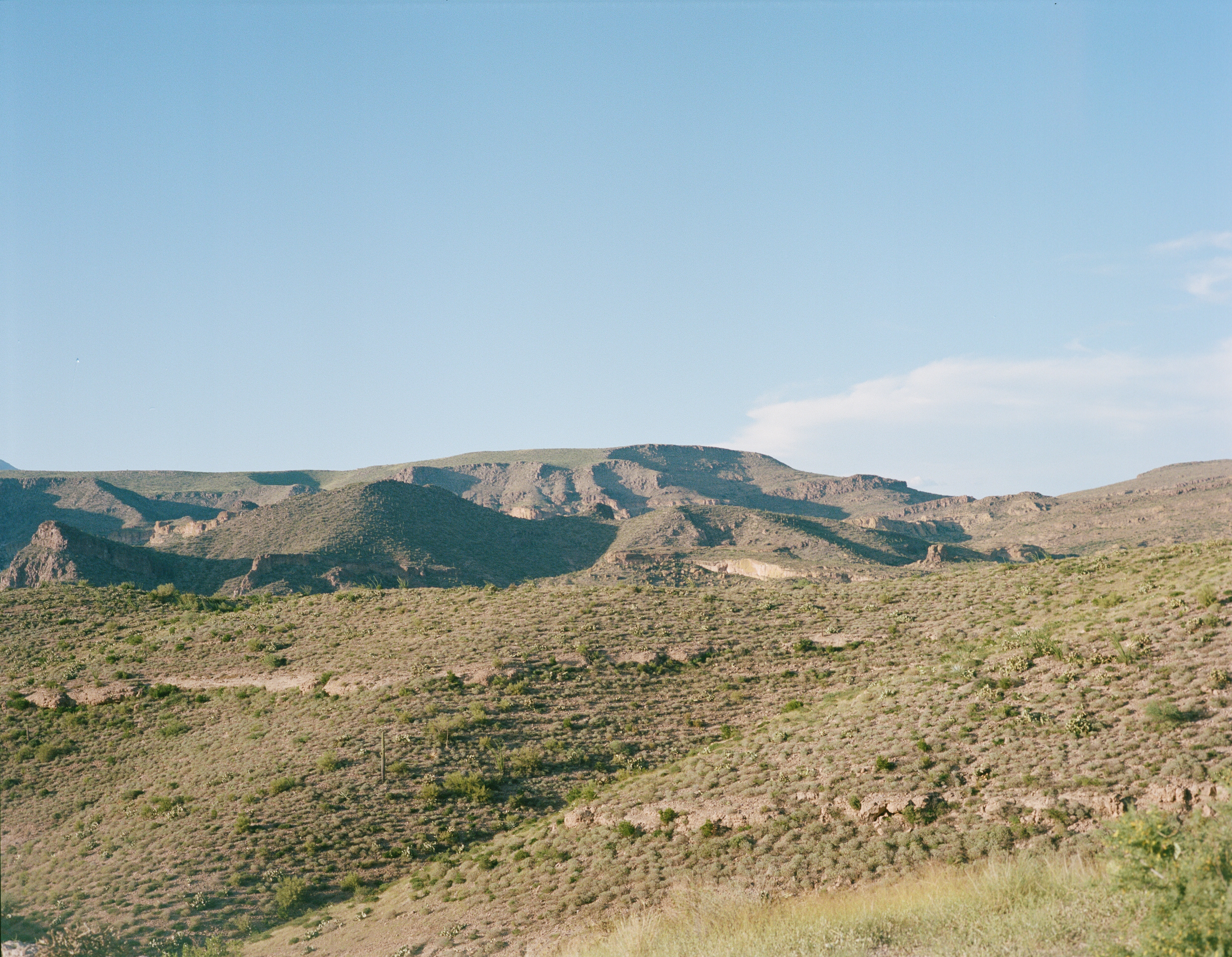
As an engineering minded person, this camera has quickly become my favorite. I love its complicated mechanisms and the absolutely incredible photos it takes are the cherry on top. That being said, I would not recommend this camera to someone wanting a first medium format camera. People that know this camera may have noticed earlier that the bellows are green rather than the stock black leatherette. When I got this camera, there was tears in the bellows leading to terrible light leaks. After communicating with the ebay seller, I was able to get a partial refund and purchase an aftermarket bellows. Installing these was incredibly scary. It required complex cutting and gluing along with removing the lens from the mechanical assembly to install. I found this as a welcome challenge, but for many others, this would be an incredibly hard repair to complete themselves. To make it worse, there is also the requirement that before folding the lens you must set the focus to infinity and cock the shutter. If you don’t do either of these things and fold the lens, it will either scratch the lens or break the delicate focusing linkages. This is an odd camera for many reasons, but that’s why it’s my favorite.